You’re excited to stitch a beautiful design on your favorite fabric. But halfway through, you lift the hoop and find a messy nest of bobbin thread bunching up underneath. Frustrating, right? Many sewers face thread bunching during embroidery, often from simple issues like wrong tension or bad threading. The good news? Most fixes take just minutes.
In this guide, we’ll cover common causes, a quick checklist, step-by-step solutions, plus prevention tips. By the end, you’ll sew tangle-free every time.
Why Is My Bobbin Thread Bunching Up? Common Problems and Solutions
What Does Bobbin Thread Bunching Look Like?
Bobbin bunching creates ugly loops or nests that ruin your fabric. You might see small knots under the fabric or threads pulling up on top. This issue, sometimes called “birdnesting,” stops your embroidery machine dead.

Normal stitches lie flat and even. Bunched ones look messy, like tiny birds made a nest inside your work. For example, on cotton fabric, loops poke through like bubbles. On thicker materials, they hide but cause puckering.
Spot it early to save time. Check the back of your hoop after a test stitch. If threads tangle or loop wildly, stop and fix it. This saves needles and fabric from damage.
In embroidery, bobbin thread bunching up hits hardest on dense designs. It pulls motifs out of shape. Pros know: one bad bobbin ruins hours of digitizing work.
Top 8 Reasons Your Bobbin Thread Is Bunching Up
When your machine starts acting up, it usually happens right in the middle of a beautiful seam. Understanding why is bobbin thread bunching up is the first step toward a frustration-free sewing room.
Below are the top eight mechanical and user-error reasons that lead to a tangled mess.
1. Threading with the Presser Foot Down
This is the most common cause of bobbin embroidery thread bunching. When the presser foot is down, the tension disks are closed tight. If you thread the top of the machine in this position, the thread stays on the outside of the disks.

Without that tension, the thread is pulled uncontrollably into the bobbin area, creating a “bird’s nest.” Always thread with the foot up to let the thread seat deeply into the disks.
2. Incorrect Bobbin Direction
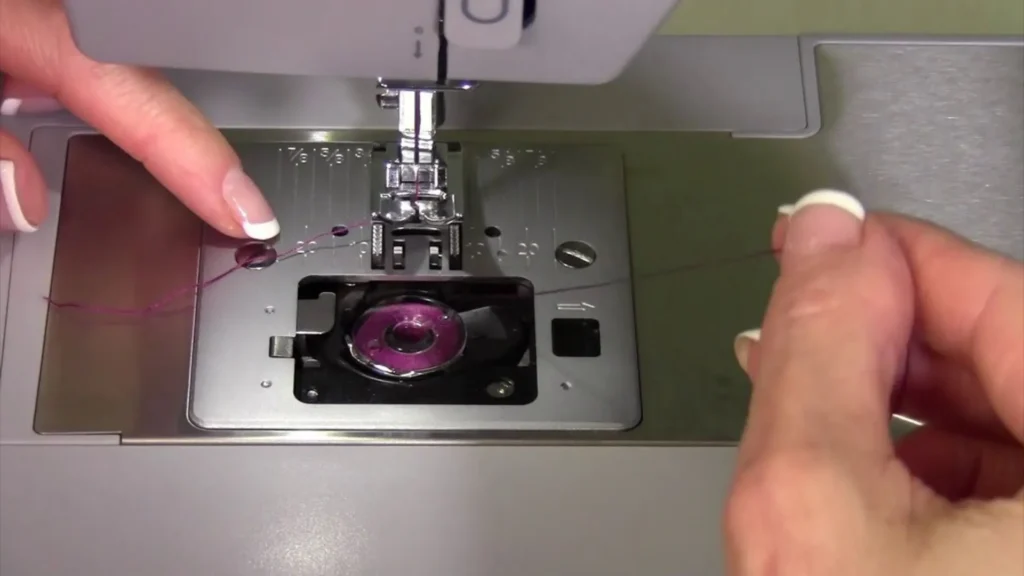
If your bobbin is spinning the wrong way, the tension spring cannot do its job. For most drop-in machines, the thread should form a “P” shape as it comes off the spool.
If it looks like a “9,” the lack of resistance will lead to bobbin thread bunching looping and tangling under your fabric.
3. Using the Wrong Bobbin Type
Not all bobbins are created equal. Even if a bobbin fits in the hole, if it is a hair too tall or too short, it will wobble.
A wobbling bobbin causes inconsistent delivery, which is a primary reason for bobbin machine embroidery thread bunching. Always use the specific Class (Class 15, Class 66, etc.) recommended by your machine’s manufacturer.
4. Lint and Dust in the Bobbin Race

Sewing creates a surprising amount of lint. If a clump of “fuzz” gets caught in the bobbin race or under the tension spring, it can snag the thread as it passes by.
This snagging causes the thread to halt and then snap forward, resulting in bobbin thread bunching as the extra slack builds up.
5. A Dull or Damaged Needle
A needle that has hit a pin or has been used for more than 8 hours develops microscopic hooks (burrs) on the tip.
These burrs can catch the thread as it forms a loop around the bobbin. This interference can disrupt the stitching and may help explain why is my bobbin thread showing on my embroidery, especially when the bobbin thread starts appearing on the front of the design.
6. Mismatched Thread and Needle Size
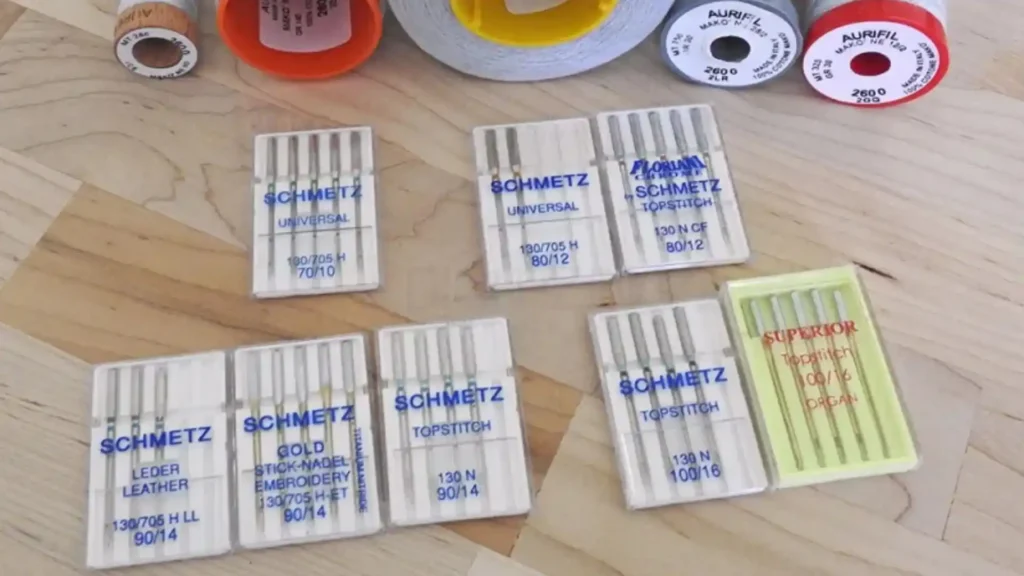
If you are using a heavy-duty upholstery thread with a tiny size 70 needle, the thread will get stuck in the needle’s eye.
This creates massive friction, preventing the take-up lever from pulling the thread back up. The result is a pile of uncollected loops underneath the throat plate.
7. Skipping the Take-Up Lever
Sometimes, during high-speed sewing, the thread can pop out of the silver “hook” that moves up and down (the take-up lever).
When this happens, there is nothing to pull the thread out of the bobbin area after the stitch is formed. This leads to immediate and severe jamming.
8. Tension Settings are Too Loose
While rare, your upper tension dial might have been bumped or set too low for your specific fabric. If the upper tension is at “0” or “1,” there isn’t enough strength to pull the bunching bobbin thread flush against the fabric, causing loops to hang loosely on the underside.
Quick Checks Before Troubleshooting
Don’t dive into complex mechanical fixes yet. Run these basics to rule out “easy wins” first. These steps are perfect for beginners facing bobbin thread bunching up during a project.
- Fabric and Stabilizer: Is your fabric hooped tightly? Using the wrong stabilizer for stretchy knits often causes pulls and thread nests.
- Thread Quality: Check your spool. Old or cheap thread is inconsistent in thickness and frays fast, leading to snags.
- Machine Setup: Did you thread with the presser foot down? Remember, the presser foot must be up during threading to open the tension disks.
- Power Cycle: Sometimes a digital glitch affects the needle timing. Unplug the machine for 30 seconds to reset the internal sensors.
- Test Scrap: Always sew a few inches on a piece of junk fabric that matches your project’s weight before starting the real thing.
These checks take less than two minutes, and pros swear by them before making any complex tension tweaks. If your bobbin thread bunches up even after these quick steps, you can then move on to deeper cleaning or needle replacement.
Step-by-Step Fixes for Bobbin Thread Bunching
If your machine has jammed, don’t panic. Follow these organized steps to address the eight most common mechanical issues.
Fixing bobbin embroidery thread bunching is usually a matter of resetting the machine’s physical path.
Fix 1: Reset the Upper Threading Tension
The most common mistake is threading while the presser foot is down. To fix this, raise your presser foot to open the tension disks.
Remove the top thread completely and re-thread it, making sure it clicks into the take-up lever. This simple reset is the first thing to try when bobbin thread bunching occurs.
Fix 2: Correct the Bobbin Direction

Take the bobbin out of the case. Hold the thread tail and ensure the bobbin spins counter-clockwise (forming a “P”).
Drop it back into the holder and pull the thread through the tension slit. If the thread is backward, it causes the tension to fail, which explains why does my bobbin thread bunch up during a seam.
Fix 3: Verify Your Bobbin Type
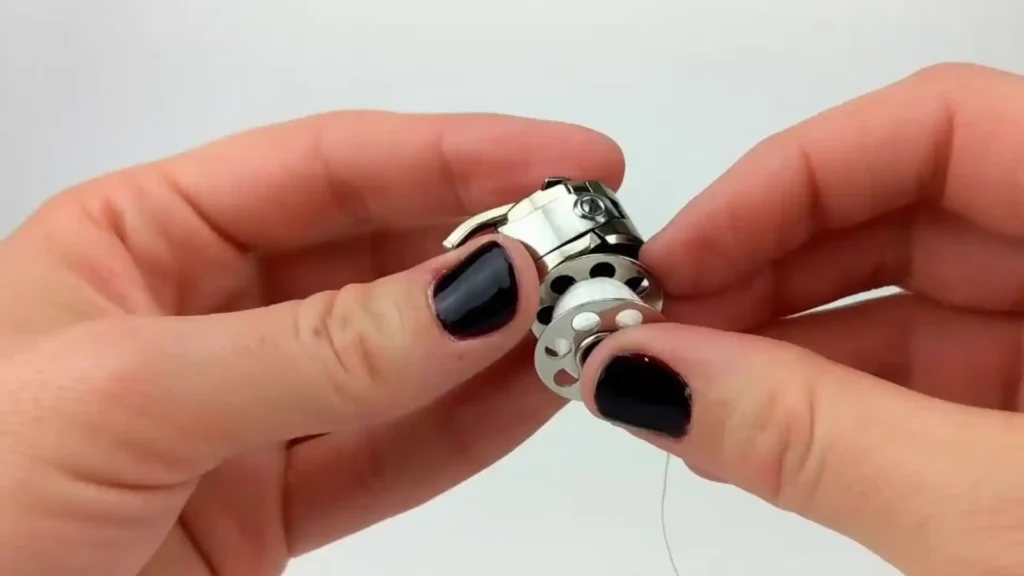
Check your manual to ensure you aren’t using a Class 15 bobbin in a machine that requires a Class 66 or a specialized plastic bobbin. Even a tiny height difference causes the thread to wobble and snag.
Replacing a generic bobbin with the correct manufacturer-branded one often stops bobbin thread bunching instantly.
Fix 4: Clear the Lint and Dust
Remove the needle plate and take out the bobbin case. Use a small brush to sweep away any lint or broken thread bits from the “race” (the area where the bobbin sits).
A clean machine prevents the friction that leads to bobbin thread bunching under your fabric.
Fix 5: Replace Your Sewing Needle

If you haven’t changed your needle in the last 8 hours of sewing, do it now. A dull or bent needle won’t pick up the bobbin loop correctly.
Insert a fresh, high-quality needle with the flat side facing the back to ensure smooth stitching without any bobbin thread bunching issues.
Fix 6: Match Thread Weight to Needle Size
If you are using thick top-stitching thread, you must use a larger needle (like a 90/14 or 100/16). If the thread is too thick for the needle eye, the tension will pull unevenly. Matching these two components ensures the thread flows freely and prevents those messy loops from forming.
Fix 7: Check the Take-Up Lever

Watch the silver lever that moves up and down as you sew. If the thread has jumped out of the eyelet, the machine cannot pull the slack out of the bobbin area. Rethread the lever carefully; this is a high-speed fix for sudden bobbin thread bunching jams.
Fix 8: Adjust the Tension Dial
If your stitches are still loose on the bottom, slightly increase your upper tension dial (try moving it up by one number, e.g., from 3 to 4). This adds the necessary “tug” to pull the bobbin thread into the center of the fabric layers where it belongs.
Brand-Specific Fixes: Janome, Singer, and Bernina
Every sewing machine brand has its own personality. While the basics of threading are the same, the way you stop bobbin thread bunching depends on the specific design of your machine.
If you use a high-end Janome or a classic Singer, you need to know the small details that big manuals often skip.
Janome Bobbin Thread Bunching
Janome machines are famous for their precision, but they are very sensitive to how the bobbin sits in the holder. If you are dealing with Janome thread bunching, the first thing to check is the bobbin case latch.
If the case isn’t “clicked” into place perfectly, the needle will hit the plastic, causing a massive tangle.
Brand/Model | Tension Adjustment | Common Mistakes |
Janome MC series | Side screw on case (+1/4 clockwise) | Forgetting to latch the case fully |
Janome 3160QDC | Tiny dial under the bobbin cover | Over-oiling the hook area |
Janome HD3000 | Rear screw access | Using metal bobbins instead of plastic |
Singer Bobbin Thread Bunching
Singer machines often use a “drop-in” bobbin system. This is very convenient, but it can jam easily if the thread isn’t pulled into the tension notch correctly.
Most cases of Singer bobbin bunching happen because the thread was wound onto the bobbin in the wrong direction. Always ensure the thread forms a “P” shape when you look at it before dropping it into the machine.
Brand/Model | Tension Adjustment | Common Mistakes |
Singer Heavy Duty | Green screw on the bobbin case | Winding the thread counter-clockwise |
Singer 9960QC | Top access screw | Lint getting stuck in the finger guard |
Singer Legacy | Dial + case screw | Skipping the automatic thread check |
Bernina Bobbin Thread Bunching Up
Bernina machines use a unique “half-moon” or “CB Hook” system that is very precise. Because they are so high-tech, Bernina thread bunching up usually requires a very fine tweak to the bobbin case screw.
Even a tiny piece of thread stuck in the “tension puck” can cause the machine to stop sewing correctly.
Brand/Model | Tension Adjustment | Common Mistakes |
Bernina 500e | Spring-loaded case screw | Inserting the CB hook in the wrong direction |
Bernina 770QE | Micro screw + app check | Overfilling the bobbins with too much thread |
Bernina Artista | Tension puck dial | Ignoring the presser foot height setting |
Why Does Bobbin Thread Keep Bunching After Fixes?
You might find that you fix the problem, but then bobbin thread bunching returns just a few minutes later. If this happens, you need to look at deeper mechanical or digital causes.
Hook Timing Issues

If your machine’s timing is off, the needle and the bobbin hook aren’t meeting at the right time. This causes the thread to pull unevenly. This is a job for a professional, as trying to fix timing yourself can cause more damage.
Digitizing and Software Errors
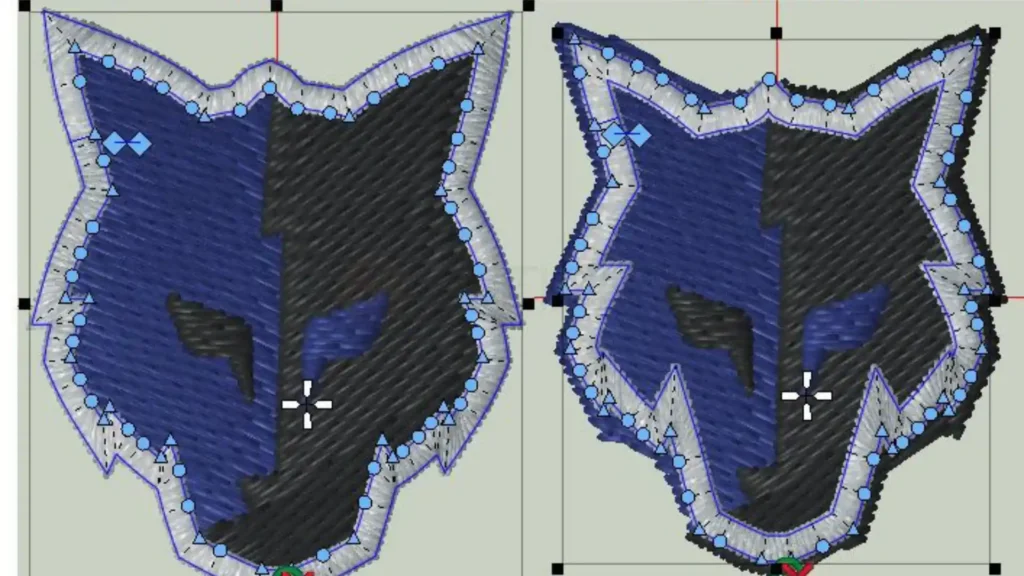
If you are using embroidery files (like those from ZDigitizing which provide embroidery digitizing along with premium applique digitizing services), the problem might be in the design itself.
If the “underlay” stitches are too dense or too thin, it can cause the fabric to shift. This movement leads to bobbin thread bunching because the needle is striking the same spot too many times.
Additional Technical Checks
- Foot Pressure: If the pressure is too light on thick fabrics, the fabric will “flag” (jump up and down), causing loops.
- Worn Friction Plate: The small plate under your bobbin can wear out over a year of heavy use. If it is scratched, replace it.
- Voltage Drops: Always use a surge protector. Inconsistent power can cause the motor to stutter, which leads to why bobbin thread is bunching up during complex patterns.
Keeping a simple log of when you clean your machine and which threads you use can help you identify patterns when issues occur. Understanding bobbin thread vs embroidery thread can also make it easier to choose the right thread and prevent tangles from ruining your next project.

Summary and Key Takeaways
Bobbin thread bunching is a common issue, but once you understand the basics, it becomes much easier to fix. Most problems come from tension imbalance, incorrect threading, lack of cleaning, or poor machine setup.
By taking a few minutes to check your thread path, clean lint, wind the bobbin properly, and use the right needle, you can avoid many stitching issues and get clean, professional results every time.
Fixing bobbin thread bunching early not only saves time but also protects your fabric and reduces frustration during production.
Even when your machine setup is correct, poor-quality digitizing can still lead to uneven stitches, thread breaks, and repeated issues. This is where expert help makes a real difference.
At ZDigitizing, we provide high-quality machine embroidery digitizing services in Germany and across the USA, UK, and Australia. Our team works 24/7 to handle urgent orders quickly, and we ensure every design is created with precision for smooth machine performance. We focus on delivering clean, production-ready files with guaranteed quality, affordable pricing, and super fast turnaround time.
If you want to avoid embroidery issues and improve your final results, working with experts can make a big difference. Get 50% off on your first order and upload your design today to experience reliable, high-quality digitizing services.