Are you trying to decide between screen printing vs heat press for your custom t-shirts or apparel business? The short answer is simple: choose screen printing for bulk orders and long-lasting prints, but pick heat press for beginners, small runs, or quick custom jobs. Most people get stuck choosing because they don’t know their order size, design type, or budget.
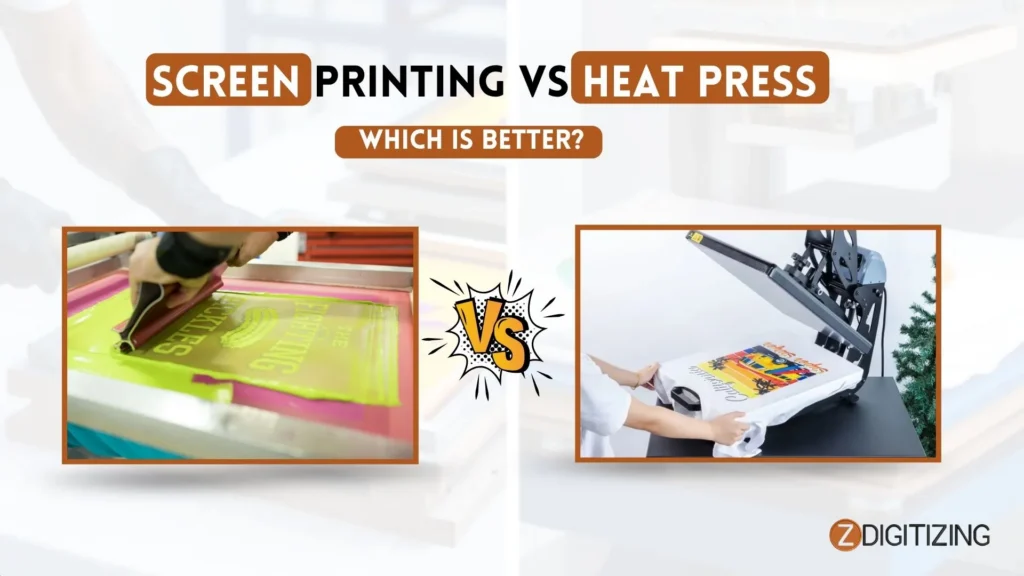
This guide cuts through the confusion with clear comparisons, real-world examples, and a simple decision framework. By the end, you’ll know exactly which method fits your needs.
Screen Printing vs Heat Press: Which is Better?
The Fundamental Difference: How They Work
When comparing screen printing vs heat press, the main difference is the method used to apply designs onto fabric.
At its core, every print shop is solving the same problem: how to place a graphic onto apparel. However, the process used to do that can completely change your production speed, setup, costs, and overall business workflow.
Understanding Screen Printing (The Ink Method)
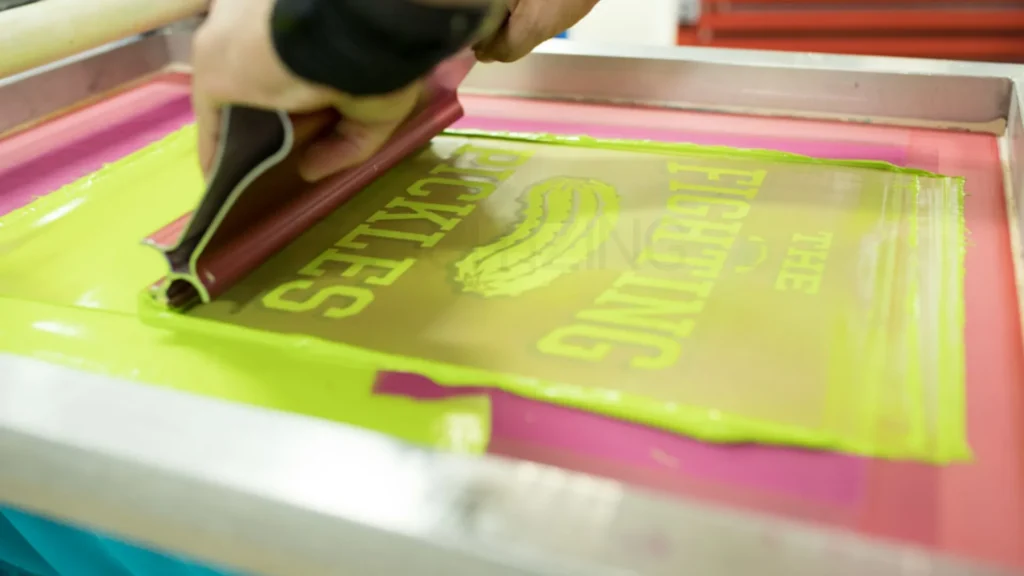
If you are wondering what is screen printing?, Think of it as a stencil-based process. A fine mesh screen is used to transfer ink onto a substrate, except in areas made impermeable to the ink by a blocking stencil.
Each color in your design requires its own screen, which is then manually or automatically pushed through with a squeegee. Because of this, it is an analog process that relies on physical preparation, burn screens, mix inks, and clean up.
Understanding Heat Press (The Transfer Method)
Many beginners ask, what is heat press? It is a digital-friendly process where an image is printed onto a special transfer paper or vinyl and then bonded to the fabric using high heat and heavy pressure.
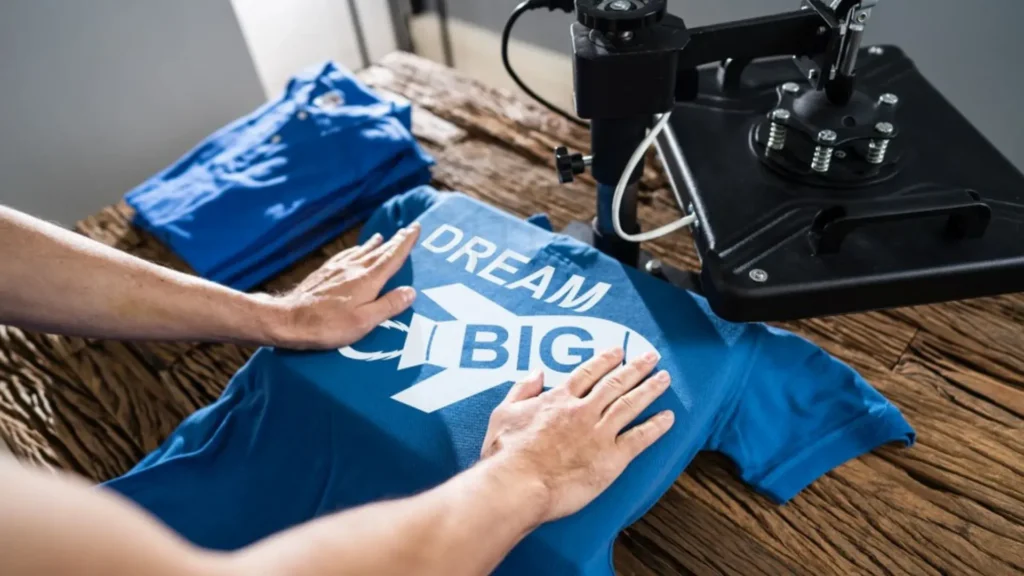
A heat press machine acts like a giant, super-powered iron. It uses a heating element to melt an adhesive backing, fusing the graphic to the garment fibers. It is cleaner, faster to set up, and allows for near-infinite colors in a single pass.
Screen Printing vs Heat Press: Main Differences
Here’s where the two methods really stand apart. Understanding these helps you pick the right one.
1. How the Design is Printed (Ink on Fabric vs Transfer on Surface)
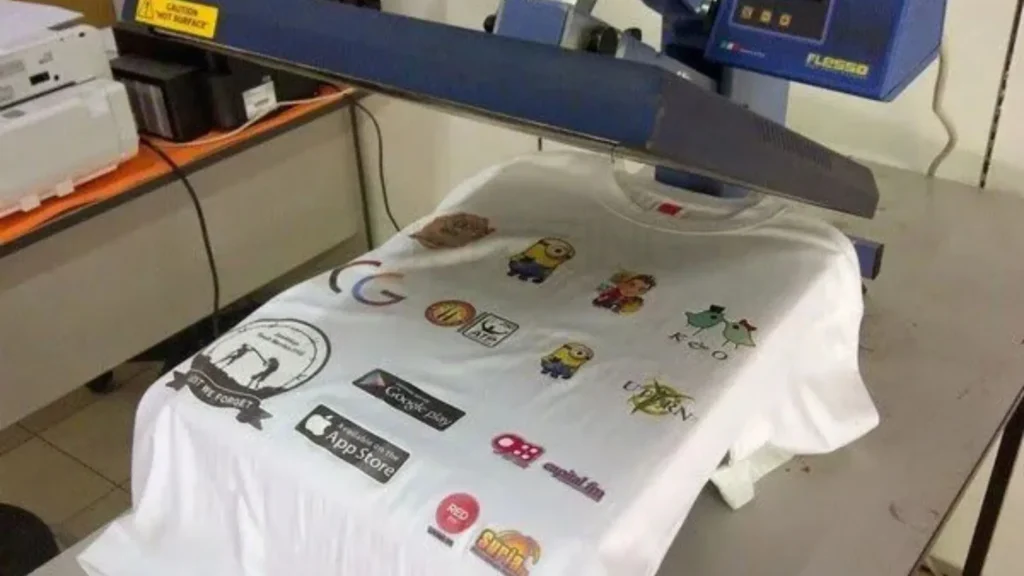
Screen printing uses wet ink pushed through a mesh screen directly onto the fabric, which makes the design part of the garment.
Heat press uses a heat‑activated transfer, like vinyl, sublimation, or printed transfer paper, that is pressed onto the surface of the fabric.
This means screen printing vs heat press is not just about machines but about whether the design is printed or transferred.
2. Durability and Wash Life
Screen printing usually lasts longer because the ink bonds with the fibers and can handle many washes without cracking or fading.
Heat press prints can be strong but may peel, crack, or fade faster, especially if the transfer or fabric is not matched correctly. For questions like which lasts longer, screen print or heat press, durability is a key deciding factor.
3. Cost for Small Orders vs Bulk Orders
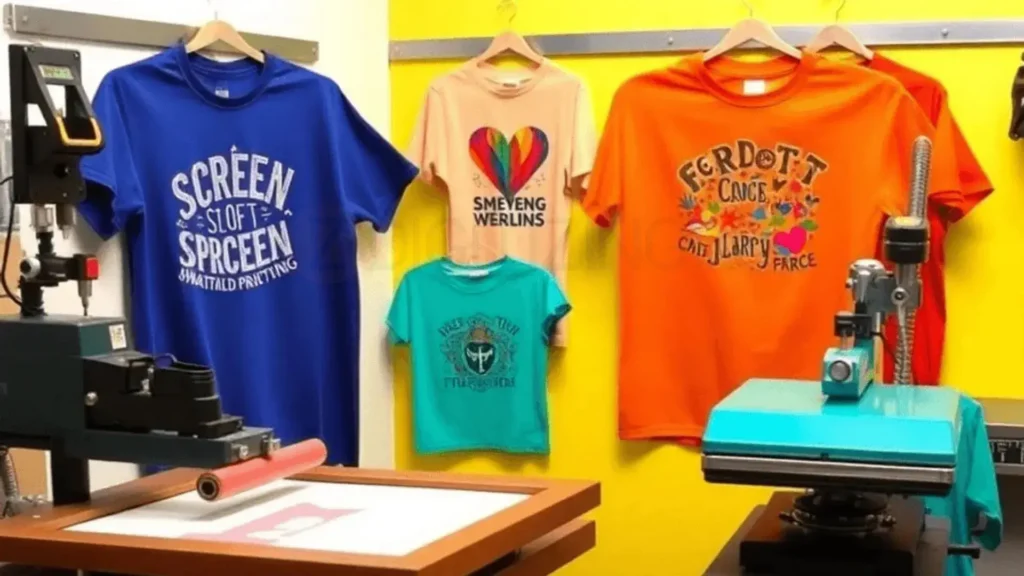
Screen printing is often cheaper per piece in large runs because the setup cost is shared across many items. Heat press is usually cheaper for small orders because there is no screen setup, and each job can be done quickly.
For screen printing vs heat press in business, this cost difference heavily affects which method is better for bulk or custom work.
4. Design Detail and Color Limits
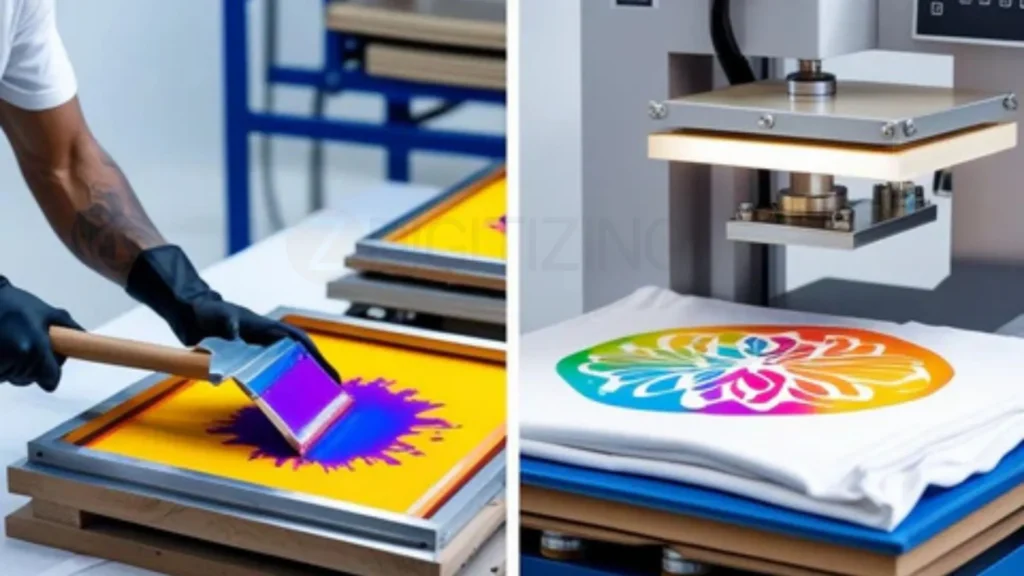
A heat press is better for detailed graphics, photos, and complex artwork because it can capture fine lines and gradients without building many screens. Screen printing is stronger for bold, simple designs and solid colors.
For image digitizer for embroidery designs or full‑color prints, heat press vs screen printing is more about the detail needs than just the budget.
5. Fabric compatibility
Screen printing works best on cotton and some cotton blends, while heat press can work on cotton, polyester, blends, hats, bags, and even some performance wear.
This makes screen printing vs heat transfer a real problem when choosing the right method for different fabrics. For a sublimation heat press, polyester is especially important.
6. Production Speed and Workflow
Screen printing is slower at setup but faster to run once the screens are ready, making it good for repeat orders. Heat press has almost no setup but is slower per item because each piece must be pressed one by one.
For screen printing vs heat press in a live shop, workflow speed heavily affects which method feels easier.
7. Feel on Fabric
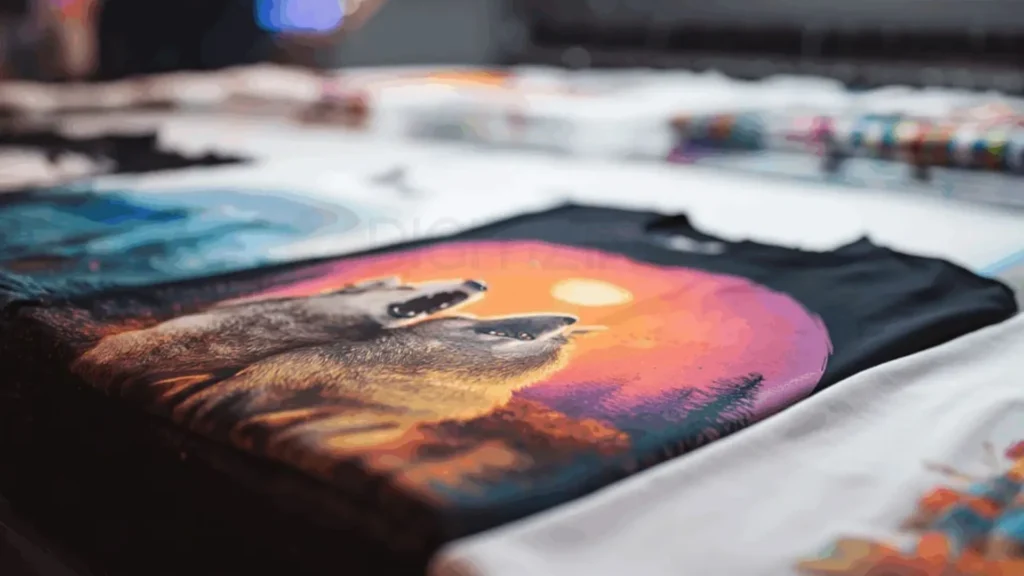
Screen printing usually feels softer and more integrated into the fabric, like a classic T‑shirt print. Heat press often feels like a smooth layer sitting on top of the fabric, which can be heavier or more plasticky.
For screen printing vs heat press feel, this difference matters a lot to customers who care about comfort.
8. Startup and Equipment Cost
Heat presses usually have a lower startup cost because a basic heat press machine, transfer materials, and a small workspace are enough to begin.
Screen printing needs more items, such as a screen printing machine, screens, inks, squeegees, and drying or curing equipment. For the best printing method for beginners, this cost difference is a serious concern.
9. Space and Setup Requirements
Screen printing needs more physical space for the press, screens, drying racks, inks, and storage, which can be hard in small rooms.
A heat press usually needs less space because the machine is compact and the workflow is simpler. For heat press vs screen printing at home, space and setup are major deciding factors.
10. Ink vs Transfer Materials
Screen printing relies on inks that are mixed, stored, and cleaned from screens and tools. Heat press relies on transfer materials like vinyl, sublimation paper, or printed transfers that are cut and pressed.
This makes screen printing vs heat press also a choice between managing inks versus managing transfer rolls and sheets.
11. Number of Colors and Screens vs One Press
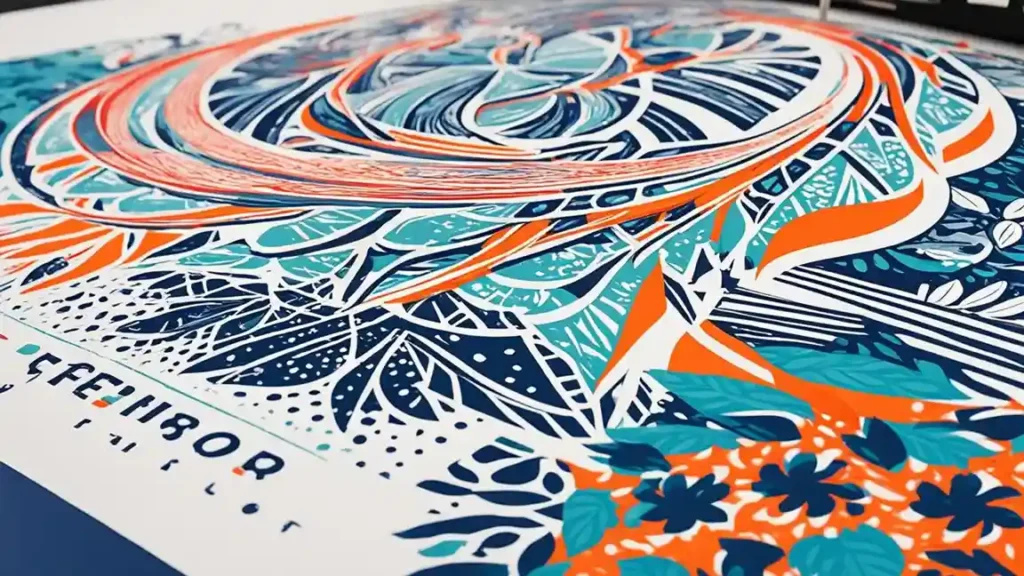
Screen printing requires one screen for each color, so multi‑color designs increase setup time and complexity. A heat press can print full‑color images on one press if the design is already printed on the transfer.
This makes screen printing vs heat press especially important when deciding between multi‑color silk screen and simple heat‑press transfers.
12. Personalization and One‑Off Orders
Heat press is much faster for personalization, such as names, numbers, and custom text, because each design can be changed without making new screens.
Screen printing is slower for one‑off orders because each change may need a new screen or stencil. For screen printing vs heat press in sports or custom gifts, personalization is a key advantage of heat.
13. Environmental and Cleanup Considerations
Screen printing involves more chemicals, inks, and solvents, which means more cleanup and potential environmental impact. Heat press uses less liquid and more physical materials (vinyl, paper, film), but cutting waste and heat‑press sheets can still add up.
For screen printing vs heat press in eco‑friendly shops, these cleanup and environmental factors matter when choosing the right method.
When to Choose Screen Printing?
If you have decided that you want to be a volume shop, you must understand the environment where screen printing thrives. This method is the backbone of the custom apparel industry for a reason.
High-Volume Efficiency
The moment you start printing hundreds of shirts, the labor-intensive nature of screen printing pays off. Once the screens are loaded and the press is spinning, an experienced printer can churn out hundreds of prints per hour.
This is where the battle of screen printing vs heat press swings in favor of the screen. The ink cost per shirt is pennies, whereas transfer papers for a heat press can cost $2 to $5 per print. Over 1,000 shirts, that is a massive difference in your profit margin.
Durability and Feel
In the debate of screen printing vs heat press, durability and fabric feel are major factors for many apparel businesses.
One of the biggest complaints against early heat-applied graphics was that they felt like “plastic” on top of the shirt. Screen printing, especially with discharge or water-based inks, actually dyes the fabric fibers.
It creates a soft hand-feel that customers love. When you search for screen printing vs heat transfer longevity, screen printing often wins for durability. It can withstand hundreds of washes without cracking or peeling, provided the curing process was done correctly.
When to Choose Heat Press (and Sublimation)?
If your business is built on variety, custom names, personalized gifts, or one-off designs, the heat press is your most valuable asset.
The Versatility Factor

A sublimation heat press allows you to expand your business beyond just t-shirts. You can print mugs, hats, phone cases, and coasters. Because heat presses are small and portable, you can take them to craft fairs or sporting events for “print-on-the-spot” services.
This level of flexibility is simply impossible with a traditional silk screen vs heat press setup. You cannot screen print a mug easily, but with the right transfer, a heat press makes it look professional.
Low-Risk Inventory
In a screen printing vs heat press comparison, inventory risk is a massive differentiator. Screen printing requires you to commit to a design up front. If you print 100 shirts and they do not sell, you have lost that money.
With a heat press, you can keep the transfers in a drawer. You only press a shirt when a customer actually places an order. This “print-on-demand” model is why many modern apparel brands choose the heat press as their primary engine for launching new, risky designs.
Conclusion
Choosing the right printing method is just the first step in building a successful, sustainable apparel business. Whether you ultimately choose screen printing vs heat press for your primary production, the key to long-term success is consistently delivering high-quality results that reflect your brand’s professionalism and attention to detail.
However, the custom apparel industry often demands more than just printed graphics to satisfy client needs. When you decide to expand your offerings into custom embroidery, the integrity of your final design relies entirely on the quality of the digitizing process.
To achieve that level of precision, you need a partner who understands complex stitch files, which is why ZDigitizing provides the best embroidery digitizing services in Germany for clients who refuse to compromise on quality.
Furthermore, we also specialize in professional vector art services, ensuring your logos and designs look sharp and scalable across every single medium, from business cards to large banners.
ZDigitizing brings over 10+ years of experience to the table, providing expert digitizing solutions backed by a dedicated 24/7 working team.
We believe in total transparency and guaranteed quality, which is why we provide a clear preview of your design before any payment is made, and we always ensure that minor edits remain free. Our pricing structure is already lower than the market, making premium, professional work accessible for businesses of all sizes.
While navigating the ongoing debate of screen printing vs heat press might seem like the biggest challenge today, your long-term growth will rely on having a reliable partner for all your branding and decoration needs. We are here to help you elevate your quality standards, optimize your production workflow, and take the stress out of file preparation.
Ready to take your business to the next level? Visit ZDigitizing today to place your first order. Don’t forget to take advantage of our exclusive 50% OFF offer for your first order and experience the premium quality that our professional team delivers!