If you are comparing cotton vs polyester thread, the short answer is simple: polyester is usually better for strength, stretch, and color life, while cotton is better for a natural feel, heat resistance, and classic sewing or quilting looks. The right choice depends on your fabric, your project, and how much wear, washing, or heat the item will face.
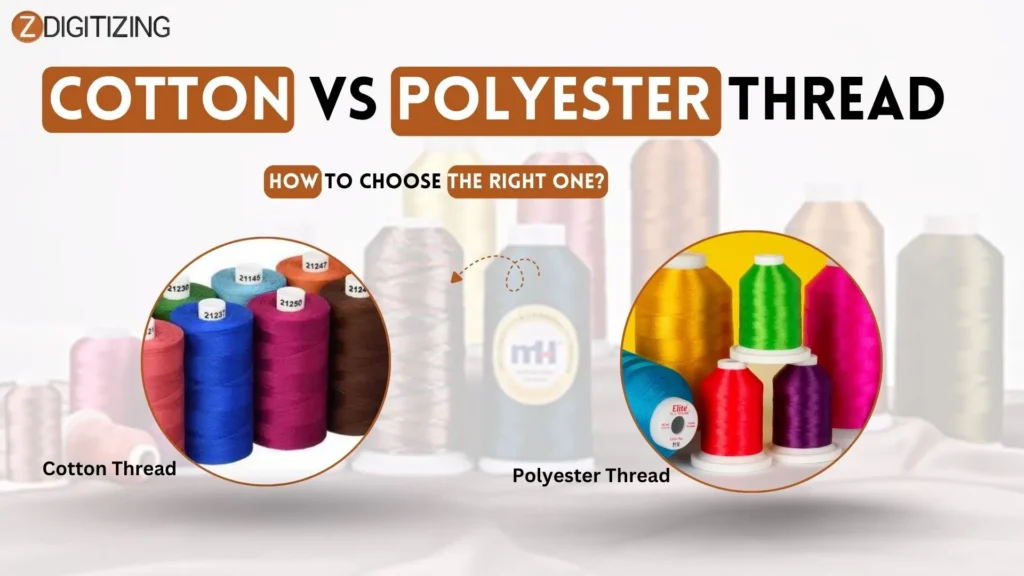
Cotton vs Polyester Thread: How to Choose the Right One?
Why Choosing the Right Thread Actually Matters?
When it comes to cotton vs polyester thread, choosing the right one is more important than most people think. If you have ever been in the middle of a beautiful project and suddenly heard your machine make a loud “clunk” sound, you know how frustrating thread trouble can be.
Many beginners think that any spool of thread will work for any project. I found this out the hard way years ago. I was sewing a heavy denim jacket using a very thin, cheap thread I found in a bargain bin. Every few inches, the thread would snap. I spent more time re-threading my machine than actually sewing.
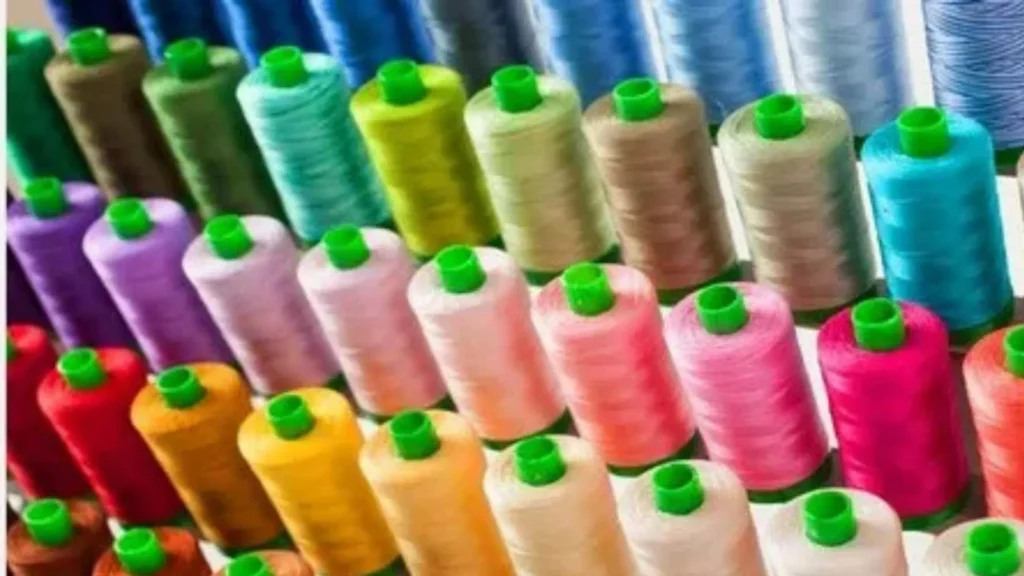
The hidden cost of using the wrong thread isn’t just the money you waste on the spool. It is the damage it can do to your machine.
Cheap or incorrect threads can leave behind a thick layer of dust, known as lint, inside your bobbin case. Over time, this lint mixes with machine oil and turns into a sticky sludge that can cause your timing to go off.
I remember one specific “Melting Thread” story that changed how I look at labels. I was making a crisp white cotton shirt. I used a shiny, beautiful thread that I thought was cotton.
When I went to press the collar with a very hot iron, the thread literally vanished. It melted into a sticky plastic goo that ruined the shirt and my iron.
That was the day I realized that understanding the difference between a cotton vs polyester thread was a survival skill for anyone who loves to sew.
Understanding Cotton Thread: Natural Choice
Cotton embroidery thread is the “old school” favorite. It has been used for centuries and for a good reason. It is made from natural fibers harvested from the cotton plant. This gives it a very specific feel and behavior when it moves through a sewing machine.
What is Cotton Sewing Thread Made Of?
When understanding cotton vs polyester thread, it helps to know what cotton thread is actually made of. Cotton machine embroidery thread is made by spinning together tiny plant fibers. Most high-quality cotton threads are “mercerized.” This is a process where the thread is treated with a solution that makes the fibers swell.
This makes the thread stronger and gives it a slightly shiny look. It also helps the thread take on dye better, which is why cotton threads often have such rich, deep colors.
Why Quilters Love Cotton Machine Embroidery Thread?
If you walk into a quilting shop, you will see walls covered in cotton. Quilters are very loyal to this fiber. The main reason is that cotton fabric and cotton thread “age” together. When you wash a quilt, the fabric and the thread shrink at the exact same rate.
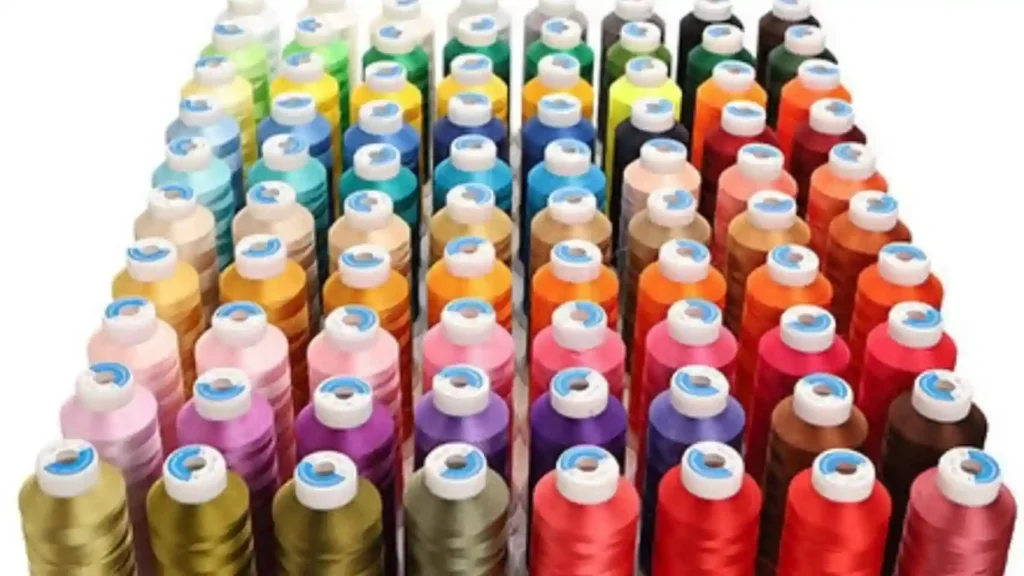
This creates that lovely, crinkled “antique” look that quilters crave. Using a cotton vs polyester thread in a quilt ensures that the thread won’t eventually cut through the fabric as the quilt expands and contracts over the years of use.
Pros of Using Cotton
When comparing cotton vs polyester thread, cotton stands out for its natural advantages.
- The biggest advantage of cotton is its heat resistance. You can blast it with a professional-grade iron on the highest setting, and it will not flinch.
- This makes it perfect for things like pillowcases, table runners, and cotton clothing.
- It also has a “matte” finish. This means it isn’t shiny. If you want your stitches to blend into the fabric and look traditional, cotton is your best friend.
- It is also very soft, making it the top choice for sensitive skin or baby clothes.
Cons of Cotton
- The biggest downside is the “Lint Monster.” Because cotton is a natural plant fiber, it has tiny hairs.
- As the thread pulls through your machine’s tension discs, these hairs rub off.
- If you use cotton for a long time without cleaning your machine, you will find a “blanket” of dust inside.
- Another issue is the lack of “give.”
- Cotton does not stretch. If you sew a pair of stretchy leggings with cotton, the first time you sit down, the stitches will likely pop.
Knowing when to use a polyester vs cotton embroidery thread depends heavily on whether your project needs to stretch.
Understanding Polyester Thread: Modern Powerhouse
Polyester vs cotton thread is a common comparison when choosing the right material, and polyester stands out as the product of modern science. It is essentially a very long, very thin strand of plastic.
While that might sound less “natural,” it makes for an incredibly consistent and tough thread that can handle almost anything you throw at it.
What is Polyester Sewing Thread?
When comparing cotton vs polyester thread, it’s important to understand how polyester thread is made. Unlike cotton, which is grown, polyester embroidery thread is manufactured. It is made from synthetic polymers. The beauty of this is that the thread is perfectly smooth.
There are no tiny hairs to rub off, which means it is a much “cleaner” thread for your sewing machine. It is designed to be uniform in thickness from the beginning of the spool to the end.
Why Polyester Thread for Embroidery is the Industry Standard?
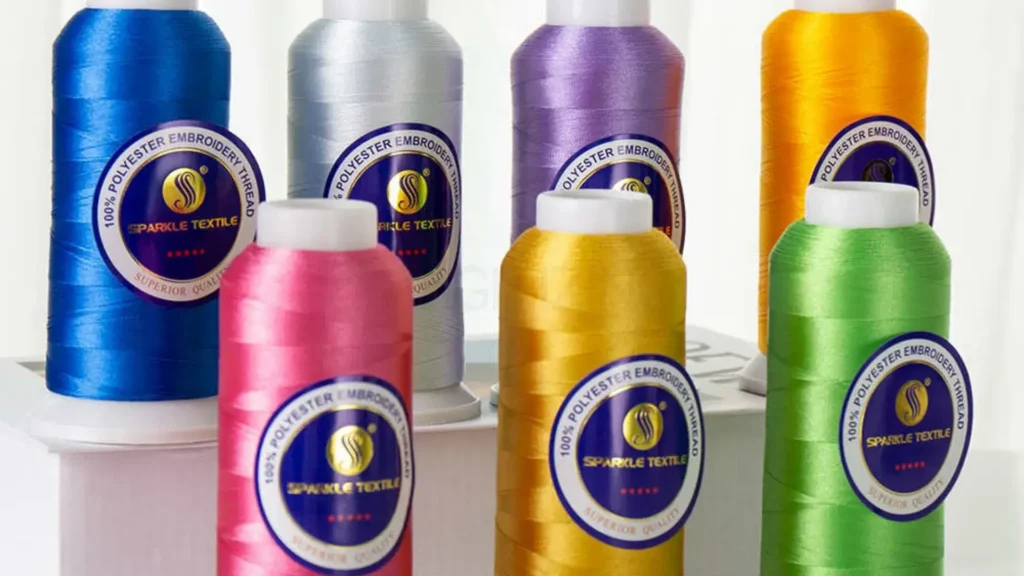
When it comes to cotton vs polyester thread, polyester is the clear industry standard for embroidery. In the world of commercial embroidery, speed is everything. Machines often run at 800 to 1,000 stitches per minute. This creates a lot of heat and friction.
A polyester thread is designed to handle this stress without snapping. It also has a beautiful, high-gloss shine. If you want a logo on a hat to pop and look vibrant, polyester is the way to go.
Pros of Using Polyester
- Strength is the number one benefit. It is very difficult to break a high-quality polyester thread by hand.
- It also has “elasticity.” This means it can stretch a little bit and then snap back to its original shape.
- This makes it the only choice for sewing knit fabrics or athletic gear.
- It is also “colorfast.” You can wash a polyester-stitched garment in hot water with bleach, and the thread will stay the same color.
When comparing a cotton vs polyester thread, polyester always wins the durability test.
Cons of Polyester
- The biggest risk is heat. Since it is basically plastic, it has a melting point.
- If you are making a pot holder or something that will touch a hot stove, do not use polyester! It will melt.
- Some people also find it a bit too “shiny” for certain projects.
- On a vintage-style quilt, the plastic-like glow of polyester can look a bit out of place.
Head-to-Head: Cotton vs Polyester Thread Comparison
When we put these two in a ring to fight, there isn’t always a single winner. The choice depends on the task the thread has to handle. I have spent hundreds of hours testing both types on different machines to see where they fail.
Strength and Durability: Which Wins?
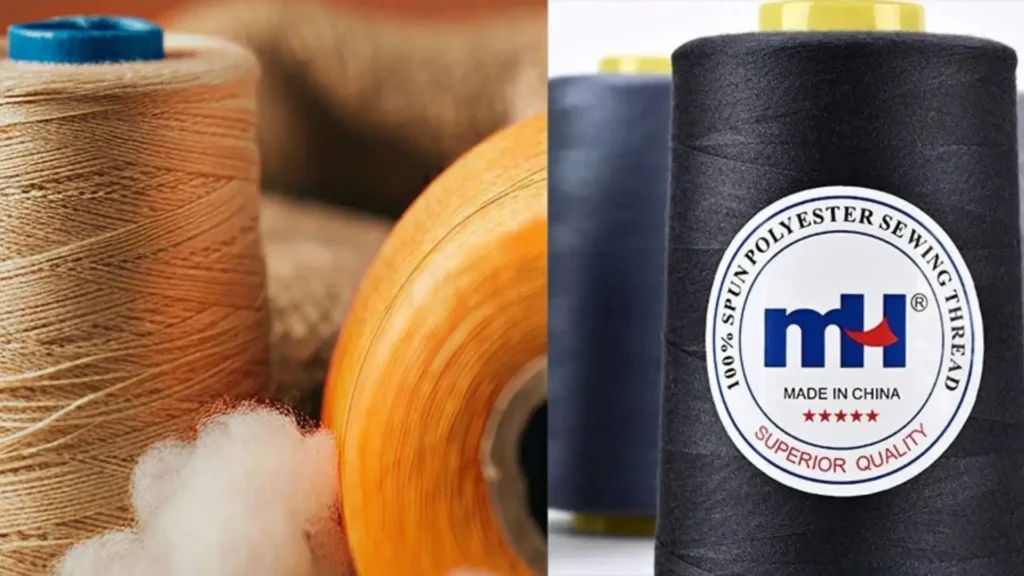
In a pure strength test, polyester takes the trophy. If you are sewing something that will be under a lot of pressure, like the seat of a pair of trousers, you want that extra strength. However, there is a catch. P
When comparing polyester vs rayon embroidery thread, polyester stands out for its strength and durability, but that strength can sometimes be excessive for delicate fabrics. For example, using a heavy polyester thread on very old or fragile silk may put too much stress on the fabric and potentially cause damage over time.
Choosing a cotton vs polyester thread requires looking at the strength of your fabric first.
Heat Resistance: Ironing Test Results
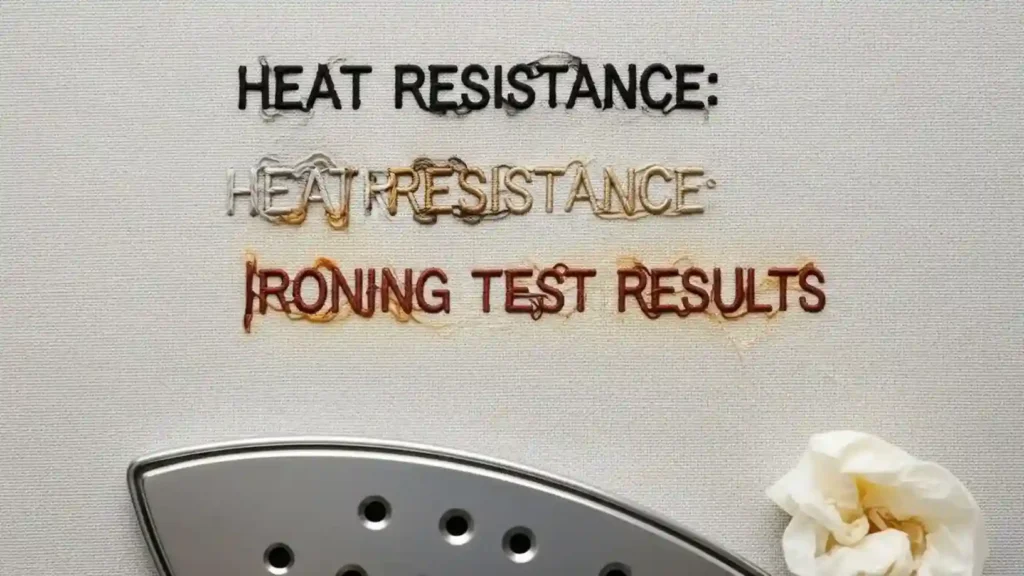
I once did a test where I sewed two rows of stitches on a scrap of denim. One row was cotton, the other was polyester. When comparing cotton vs polyester embroidery thread, heat resistance becomes a key factor, especially for projects that require ironing. I held a hot iron on them for 30 seconds.
The cotton row looked exactly the same. The polyester row looked flattened and had a weird, crusty texture. For any item that requires “crisp” ironing, like a button-down shirt, cotton is the safer bet.
Color and Shine: Which Looks Better?
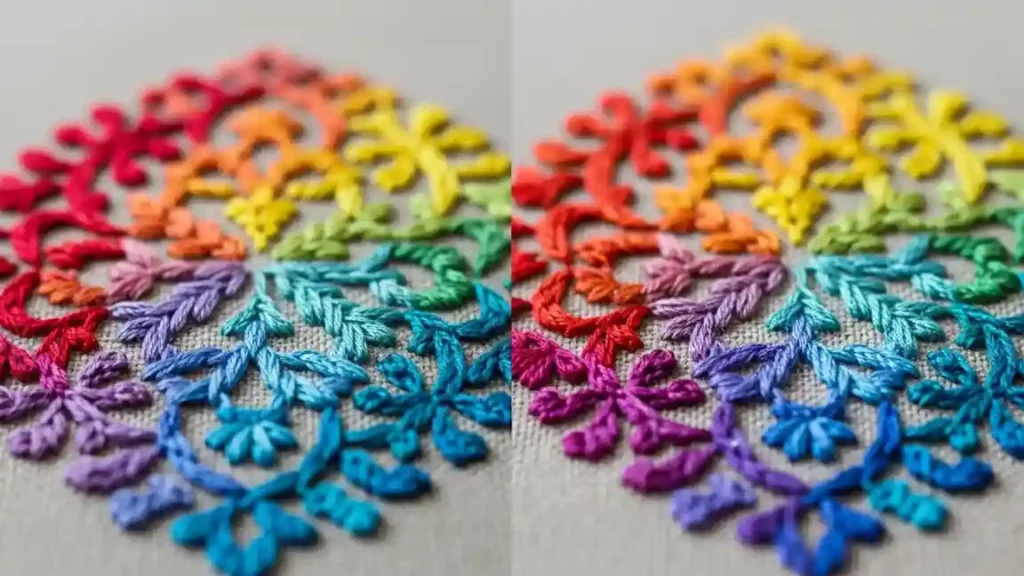
When comparing polyester thread vs cotton thread, this choice often comes down to your personal style. Cotton has a rich, “flat” color. It looks expensive and organic. Polyester has a “sparkle.” For decorative projects or high-fashion looks, that sparkle is a huge plus.
If you are using polyester embroidery thread, you want that shine to catch the light. But if you are repairing a hole in a matte cotton t-shirt, you want a thread that disappears.
“Lint Factor”: Keeping Your Machine Clean
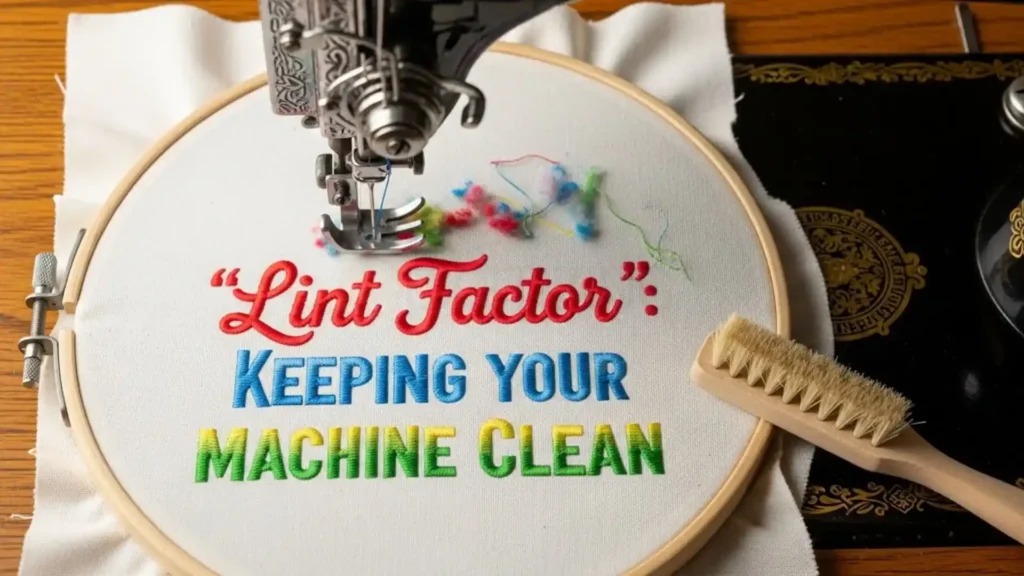
When comparing cotton vs polyester thread, the lint factor becomes a major difference, especially for machine users. If you hate cleaning your machine, you will prefer polyester.
I noticed that after sewing one bobbin’s worth of cotton thread, I had to use my little brush to clean out the hook area. With thread polyester, I can go through four or five bobbins before I see any noticeable dust.
Which Thread Should You Use for Your Specific Project?
The secret to professional results is matching the thread to the task. Let’s break down the most common sewing scenarios.
Best Thread for Quilting
For the actual “piecing” (sewing the little fabric squares together), most experts use a 50-weight cotton sewing thread. It is thin, so it doesn’t add bulk to the seams, and it handles the heat of constant pressing.
When choosing between cotton vs polyester thread, the decision becomes more flexible during the quilting stage. For the “quilting” (the decorative stitches on top), you can use either.
Many people are moving toward a polyester machine embroidery thread for the top stitching because it comes in so many vibrant colors and doesn’t break as easily during the high-speed quilting process.
Best Thread for Garment Sewing
When deciding between cotton vs polyester thread for garment sewing, the fabric type plays a key role. If the fabric is a “knit” (like a t-shirt or leggings), you must use polyester.
If the fabric is a “woven” (like a dress shirt or linen pants), you can choose based on the look you want. I personally prefer a high-quality polyester sewing thread for most garments because I want the seams to last through hundreds of laundry cycles.
Best Thread for Machine Embroidery
When you are doing dense designs, the friction is incredible. A polyester thread for embroidery is coated with a special finish that helps it glide through the needle at high speeds.
If you try to use a cheap cotton thread for a dense 20,000-stitch design, you will likely deal with frequent thread breaks.
However, if you are doing “Redwork” (simple outlines that look like hand-embroidery), a cotton machine embroidery thread gives a much more authentic, rustic feel, particularly when paired with clean and simple logo digitizing for embroidery.
Managing Your Machine: Settings for Cotton and Polyester
Your machine doesn’t “know” what thread you are using, but it will “feel” the difference. You have to be the brain of the operation and adjust the settings accordingly.
Adjusting Tension for Cotton Sewing Thread
When working with cotton vs polyester thread, you may notice that cotton behaves differently in your machine.
Cotton is a bit “grippy.” Because of those tiny fibers, it can get hung up in the tension discs more easily than smooth polyester. If you see your fabric puckering or your thread snapping, try lowering your top tension by one or two numbers. This gives the cotton more room to breathe.
Adjusting Tension for Polyester Thread
Polyester is slippery. Sometimes it moves too fast. This can cause “bird-nesting,” which is that giant mess of thread on the bottom of your fabric. If this happens, you might need to slightly increase your tension.
When comparing embroidery thread vs polyester thread, remember that polyester thread can be more prone to static electricity, which may affect how smoothly it feeds through the embroidery machine. Considering the thread type and machine performance can help you achieve more consistent stitching.
Choosing the Right Needle for Each Thread Type
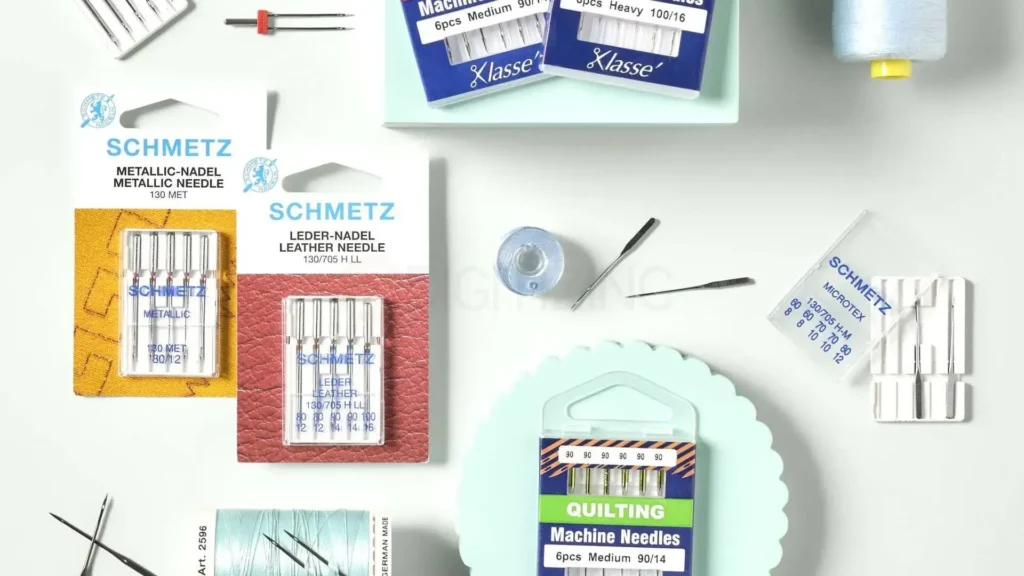
The hole in the needle (the eye) must be big enough for the thread to pass through without rubbing. Since cotton is fuzzier, it often needs a slightly larger needle, like a 90/14. For smooth thread polyester, you can often get away with a smaller, sharper needle like an 80/12.
If you are using a cotton machine embroidery thread, I highly recommend using a dedicated “Embroidery Needle,” which has a larger eye specifically designed to prevent friction.
Financial Breakdown: Pricing and Value
At first glance, polyester is usually cheaper. It is easier to produce in mass quantities. You can buy a massive cone of polyester for a few dollars. High-quality, long-staple cotton (the kind that doesn’t break) is more expensive because growing and processing fine cotton takes more time.
However, think about the “long-term” price. If you use cheap, linty cotton and it causes a $100 repair bill at the sewing machine shop, that thread wasn’t actually a bargain. I always tell my students: “
Don’t put $1 thread in a $1,000 machine.” Whether you choose cotton vs polyester thread, buy a reputable brand like Gutermann, Aurifil, or Madeira.
Troubleshooting Common Problems
Even with the best thread, things go wrong. When working with cotton vs polyester thread, knowing how to fix common issues can save you time and frustration. Here is how to fix them.
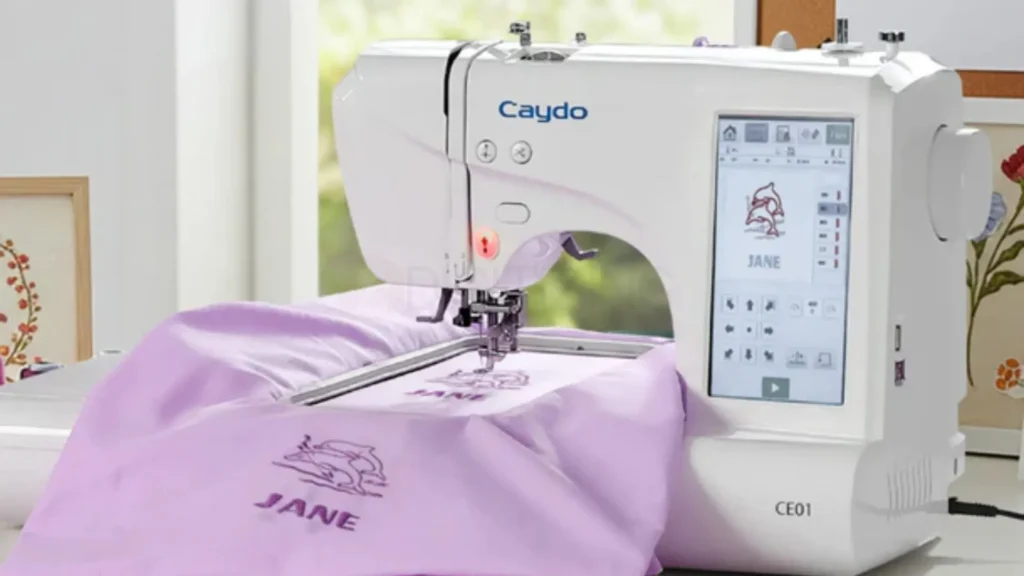
“Why is my thread constantly breaking?” First, check your needle. Is it old? A dull needle will shred the thread. Second, look for “burrs” or sharp spots on your throat plate.
If you are using cotton machine embroidery thread, make sure you aren’t sewing too fast. Cotton can’t handle the heat of high speeds as well as polyester can.
“Why is my thread looping under the fabric?” This usually means your top thread isn’t in the tension discs. Re-thread your machine with the presser foot up.
This opens the discs so the thread can sit deep inside. If you are using a very slippery thread polyester, make sure the spool isn’t spinning too freely on the spool pin. You might need a “spool cap” to hold it steady.
How to check if your thread is old or weak? Thread does expire! If you found a box of cotton thread in your grandmother’s attic, be careful. Cotton is a natural fiber and can rot or become brittle over decades. Take a piece and give it a sharp tug.
If it snaps with almost no effort, throw it away. Polyester lasts much longer, but even it can become “dusty” and weak if left in direct sunlight for years. In many real-world cases, choosing correctly between cotton vs polyester thread can prevent most of these issues before they even start.
Expert Tips for Thread Storage
How you store your thread is just as important as how you use it.
Keeping Dust Away from Your Cotton Spools: Since cotton is already prone to lint, you don’t want it collecting room dust too. Store your cotton spools in a closed plastic bin or a drawer. This keeps the fibers clean and ready for your machine.
Preventing Polyester Tangles: Polyester has a “memory.” If it starts to unspool, it will create a bird’s nest in your drawer. Use “thread nets” or small pieces of clear tape to keep the ends secure.
When comparing cotton vs polyester thread storage, polyester is much more likely to “spring” off the spool and cause a mess.

Final Verdict: How to Choose Every Single Time
If you are still stuck on the cotton vs polyester thread debate, use this simple checklist:
- Is the fabric stretchy? Use Polyester.
- Will it be ironed at high heat? Use Cotton.
- Will it be bleached or used outdoors? Use Polyester.
- Is it a traditional quilt? Use Cotton.
- Are you doing high-speed embroidery? Use Polyester.
My personal recommendation for beginners is to start with a “Copped-Poly” thread. This is a polyester core wrapped in cotton. It gives you the strength of polyester but the heat resistance and look of cotton. It is the “best of both worlds.”
Now here’s something most people ignore: even if you choose the right thread, your embroidery results still depend heavily on the file quality. When working with cotton vs polyester thread, a poorly digitized design can still cause thread breaks, bad stitching, and wasted production time.
If you truly want clean, smooth, and professional embroidery results, you need a high-quality machine embroidery digitizing service in Canada and USA, UK, or globally trusted experts. This is where ZDigitizing comes in.
We provide:
- 24/7 support team is available anytime
- Super fast turnaround (usually within 4–12 hours)
- Urgent orders handled quickly
- High-quality, machine-optimized stitch files
- Free revisions to ensure perfect results
Even for complex designs, our team ensures you get the best output with minimal issues. Plus, we are offering 50% OFF on your first order, so you can test our quality risk-free.
So if you want your embroidery to run smoothly, avoid thread breaks, and get perfect results every time, don’t just focus on thread selection. Focus on professional digitizing as well.
Upload your design now at ZDigitizing and get started today!