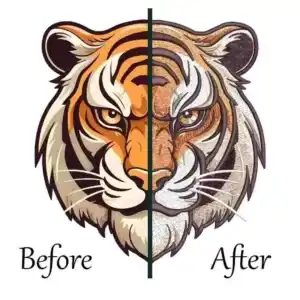
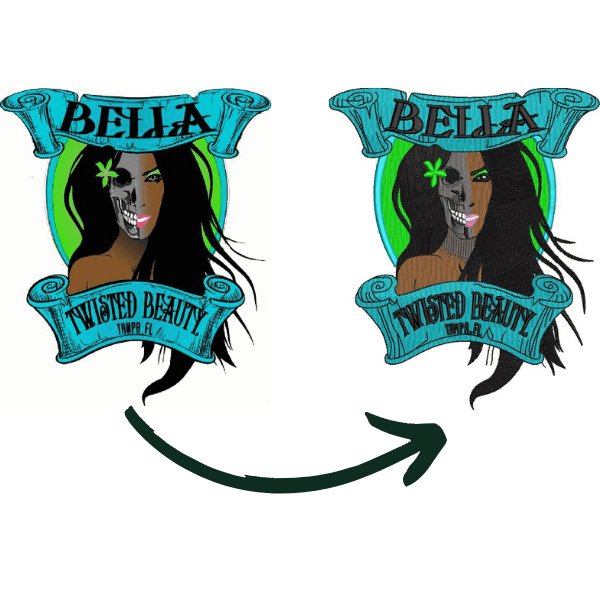
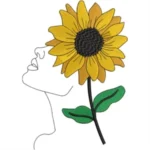
Many stitch lovers still get confused about needlepoint vs embroidery, especially now that machine embroidery is everywhere on jackets, caps, and patches. In this guide, I’ll explain the real differences in tools, techniques, stitch style, and final look in a clear, practical way. You’ll know when needlepoint is better for home décor and textured canvas work, and when machine embroidery is the smarter choice for branded apparel and repeat orders.

By the end, you’ll feel confident choosing the right method and getting cleaner, more professional results.
Needlepoint vs Embroidery: Key Differences Explored
What Is Needlepoint?
Needlepoint is a hand-stitched, canvas-based craft where you stitch on a stiff, open-weave grid and place thread through visible holes. Because the canvas guides placement, the work feels structured and controlled, and the final result often looks dense and textured, more like a woven picture than simple lines of thread.

When you compare needlepoint vs embroidery, needlepoint is usually full or heavy coverage on canvas, while machine embroidery is designed to stitch clean designs onto fabric using a digitized file and stabilizer.
A key detail is mesh count, which means how many holes are in one inch of canvas. Lower mesh has bigger holes, so it’s easier for beginners and works well with thicker thread.
Higher mesh gives finer detail, but it needs a thinner thread and more precision. Most needlepoint designs rely on steady, repeating needlepoint stitches, which help the surface look rich, filled, and premium.
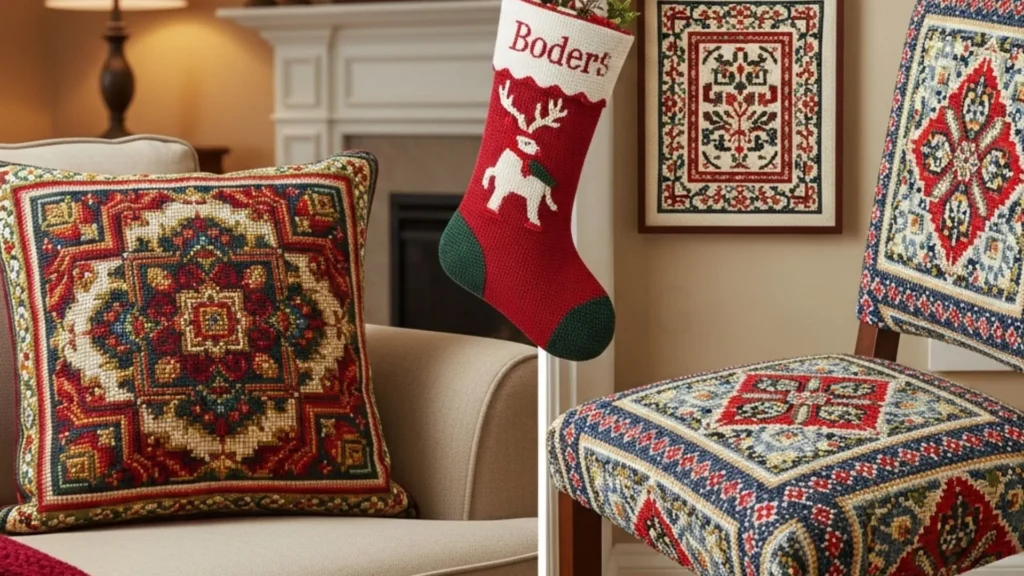
Needlepoint is most common in home décor and heirloom-style pieces because the thick stitching holds up well and looks luxurious. Typical projects include:
- Cushions and throw pillows
- Stockings and holiday ornaments
- Belts and small accessories
- Chair seats and framed wall art
If you’re asking is needlepoint easier than embroidery, it depends on what “easy” means for you. Needlepoint can feel easier to follow because the grid guides every stitch, but it’s usually slower because full coverage takes time and consistent tension matters for a neat finish.
What Is Embroidery?
It is the process of stitching a design onto fabric using a computerized embroidery machine that follows a digitized stitch file. Instead of placing stitches by hand, the machine uses controlled needle movement, thread tension, and stabilizer support to produce clean, repeatable results, especially for logos, lettering, and branding.

This is why needle point vs embroidery is such a practical comparison: needlepoint is guided by canvas holes, while machine embroidery is guided by a file and your setup.
Here’s what the machine embroidery process looks like in real life:
- You start with artwork (a logo, text, or design)
- You convert it into a stitch file through digitizing
- You hoop the fabric flat and secure it with the right stabilizer
- You run a test stitch to check tension, coverage, and placement
- Then you stitch the final piece for production or personal use
If you’re using ready-made embroidery patterns, remember this: for machines, the real “pattern” is the digitized file quality. A clean file controls stitch direction, density, and edge sharpness, so your design looks professional, not messy.
Machine embroidery is most commonly used for:
- Uniforms and corporate wear (clean logos and names)
- Caps and hats (structured branding)
- Patches (durable, repeatable results)
- Jackets and sportswear (bigger, bold designs)
- Bags and promotional products (consistent placement)
And one honest tip from any complete needlepoint vs embroidery latest guide: your results depend heavily on the digitizing. If you want smoother runs, fewer thread breaks, and cleaner edges, best embroidery digitizing services in USA like ZDigitizing, can help by providing production-ready stitch files, quick support, and consistent quality, so your machine performs at its best.
Needlepoint Vs Embroidery: The Real Differences You’ll Notice
When you’re trying to choose between needlepoint and embroidery, the best way to decide is to focus on what changes in the real world, your materials, your tools, your time, your finished look, and where the final item will actually be used.
The embroidery vs needlepoint vs cross stitch comparison goes beyond simple craft definitions. So in this section, I’ll break everything down so you can make the right choice without confusion or wasted effort.
1. Base Material Difference: Canvas Vs Fabric
When comparing needlepoint vs embroidery vs cross stitch, the base material is an important factor because it influences how each technique is worked and how the finished project looks. Understanding these material differences can help you choose the right method for your specific project.
Needlepoint is always stitched on a stiff, open-weave canvas where you can clearly see the holes arranged in a grid. That grid acts like a built-in guide, so your stitches naturally land in place. It also helps needlepoint build thickness and coverage, which is why needlepoint pieces often feel padded and rich.

Machine embroidery works differently because it’s stitched on fabric, cotton, polyester blends, denim, fleece, and structured cap fronts. Fabric can stretch, shift, or pull during stitching, especially when the machine runs fast.
The key difference becomes clear when comparing needlepointing vs embroidery. Machine embroidery relies heavily on stabilizers underneath to keep the fabric steady and prevent puckering, while needlepoint gets its stability from the canvas itself. In short, each technique requires a different approach to maintain stability and achieve clean results.
2. Execution Method Difference: Hand Placement Vs Machine File
When comparing needle pointing vs embroidery, it’s helpful to understand how each technique is actually performed. Needlepoint is typically fully hand-stitched, with the design created stitch by stitch using a needle and thread. That’s why needlepoint feels slower but also calming and tactile, you’re physically building the surface and controlling every step. You can pause anytime, adjust your tension, and continue exactly where you left off.
Machine embroidery is file-driven. The machine follows a digitized stitch file that tells it exactly where to move, how many stitches to place, and in what order. Your role is more about preparation and control, hooping correctly, choosing the right stabilizer, using good thread, and watching for thread breaks or tension issues.
This is a major reason what is needlepoint vs embroidery feels like two different worlds: one is manual creation, and the other is a controlled production process.
3. Stitch Placement Difference: Counted Grid Vs Programmed Paths
In needlepoint, the canvas grid decides stitch placement. You count holes and place stitches through specific intersections. This makes needlepoint predictable once you understand the pattern, because the grid keeps your spacing consistent.

In machine embroidery, stitch placement is programmed. The machine follows a stitch path created in digitizing software. That’s why the design quality depends heavily on the digitized file, if the path is planned well, you get crisp edges and smooth fills; if it’s planned poorly, you can get gaps, distortion, and messy outlines.
This is also where beginners misunderstand machine embroidery: they think any design will stitch fine, but the stitch plan matters.
4. Coverage Style Difference: Full Coverage Vs Design Placement
This is one of the easiest differences to “see.” In embroidery vs needle point, needlepoint is often full coverage or heavy coverage, which means large areas get stitched until the canvas becomes almost invisible. That’s what creates the classic tapestry finish, dense, textured, and complete.
Machine embroidery usually stitches a design element like a logo, name, badge, or artwork while leaving the rest of the fabric visible. Even on bigger designs, the goal is typically to decorate the garment, not cover it completely.
Because of that, the final feel is different too: needlepoint feels like a stitched surface, while machine embroidery feels like a clean design placed on fabric.
5. Tools Required Difference: Simple Kit Vs Full Setup
Needlepoint tools are simple and budget-friendly. You typically need canvas, thread or yarn, a tapestry needle, scissors, and some way to keep the canvas stable (like stretcher bars or a frame). That’s why many people start needlepoint easily without a big investment.

Machine embroidery needs more equipment and ongoing supplies. You’ll use hoops or frames, stabilizers, bobbins, thread, and trimming tools.
These are the embroidery tools that keep results clean and consistent. Machine embroidery may cost more to start, but it can produce results faster once your workflow is stable, especially if you’re doing multiple items.
6. Stitch Look Difference: Texture Vs Clean Branding
Needlepoint naturally creates a textured, raised look because thicker threads sit on top of the canvas and build up coverage. That texture is part of its charm, especially for décor pieces where you want a cozy, handcrafted feel.
Machine embroidery is made for clean, sharp, professional branding. It can create smooth borders, readable letters, and consistent fills that look the same across multiple products. This is where embroidery stitches really matter—because the stitch type and stitch direction are planned to keep edges clean and text readable.
7. Best Use Difference: Home Décor Vs Wearable Products
Here’s where the decision becomes practical. Needlepoint is commonly used for décor items, pillows, ornaments, stockings, chair seats, and framed wall pieces. These projects look luxurious because the stitching is thick and full.
Machine embroidery dominates wearable and branded items, uniforms, caps, bags, patches, and jackets, because it’s fast, repeatable, and consistent. If you need the same logo on 20 caps, needlepoint is not realistic. But machine embroidery is built for that.
8. Why People Mix The Terms: Needlepoint vs Embroidery
A lot of confusion happens when people discuss the embroidery vs needlepoint difference, assuming the two techniques are identical simply because both involve thread and a needle. However, they are distinct crafts with different materials, stitching methods, and finished results.
Many beginners ask is embroidery the same as needlepoint, and the clearest answer is: needlepoint is canvas-based and typically full-coverage, while machine embroidery is fabric-based and file-driven for repeatable results. Once you understand that, the confusion starts disappearing.
9. Repeatability Difference: One-Of-One Vs Production Output
Needlepoint is naturally one-of-one work. Even if two people stitch the same canvas, the results will vary slightly because hand tension and stitch rhythm are different. That uniqueness is valuable, especially for heirloom décor.
Machine embroidery is designed to repeat. Once your file and setup are right, you can stitch the same design again and again with consistent output. This is a major reason needlepoint vs embroidery matters for businesses, uniforms, and batch orders.
10. Time And Cost Difference: Slower Craft Vs Scalable Output
When you compare needlepoint vs embroidery, needlepoint can be cheaper to start because you don’t need a machine, but it costs more time, especially if you’re doing full coverage. Machine embroidery costs more upfront, but it saves time per item and becomes more cost-effective when you run multiple pieces.

If you’re thinking in terms of production, machine embroidery is the scalable option. If you’re thinking in terms of slow craft and relaxation, needlepoint is the better fit.
11. The End Goal Difference: Heirloom Texture Vs Clean Apparel Branding
When deciding between needlepoint vs. embroidery, consider where and how you plan to use the finished piece. If you want a thick, decorative texture for home décor, needlepoint can be a natural choice, and this style is often described as needlepoint embroidery on canvas.
If you want clean, wearable branding on garments, machine embroidery is the stronger match, especially for jackets, caps, and patches where consistency matters.
Quick Takeaway: In needlepoint vs embroidery, needlepoint gives you textured canvas coverage and heirloom décor, while machine embroidery gives you clean design placement and repeatable production on fabric.
Needlepoint Vs Embroidery: Quick Comparison Table
If you want to compare both methods fast and avoid confusion, this table will help you see everything side by side in seconds. Here’s the quick difference for your understanding, so you can instantly know which one fits your project, budget, and finish.
Aspect | Needlepoint | Embroidery |
Base Material | Stiff open-weave canvas with visible holes | Flexible fabrics (cotton, polyester, fleece, caps, jackets) |
Execution Method | Hand-stitched on a counted grid | Computerized machine stitches automatically |
Stitch Placement | Placed through canvas holes by counting | Runs a digitized stitch file path |
Coverage Style | Often full surface coverage | Usually logos/text/motifs with fabric showing |
Primary Tools | Tapestry needle, frame/stretcher bars, scissors | Machine, hoops/frames, stabilizers, bobbins |
Thread/Yarn Type | Thicker yarn/thread for coverage | Thin embroidery thread (poly/rayon) for speed |
Needle Type | Blunt tapestry needle | Sharp embroidery needle (machine-ready) |
Design Process | Painted canvas or symbol chart | Artwork → digitizing → stitch file |
Speed | Slow, time-heavy projects | Fast once setup is done |
Startup Cost | Lower to begin | Higher due to machine + supplies |
Typical Projects | Cushions, stockings, chair seats, wall art | Jackets, polos, hats, bags, uniforms, patches |
Durability Focus | Built for décor/heirloom use | Built for washable wearables |
Learning Curve | Easier to follow, slower to finish | Setup learning first, then fast output |
Scalability | One-off, unique pieces | Repeatable output for many items |
Best For | Home décor + relaxing crafting | Branding + production work |
Maintenance | Spot clean, block, frame/finish | Care-label washing, machine maintenance |
Conclusion
Choosing needlepoint vs embroidery becomes simple when you focus on your end goal: décor texture on canvas versus clean, repeatable designs on fabric with a machine. Needlepoint shines when you want a thick, hand-built finish for home pieces.
But machine embroidery is the clear winner for branding, uniforms, caps, patches, and larger garments. In fact, jobs like jacket back digitizing are where professional digitizing matters most, because big designs require smart stitch direction, balanced density, and clean outlines to look premium on real jackets.
Whichever route you choose, strong results come from strong decisions. In machine embroidery, that starts with digitizing, because the file controls stitch quality before the machine even begins. ZDigitizing is here to make that step easy and reliable.
We provide professional embroidery digitizing services with 10+ years of experience, an expert digitizing team, a 24/7 working team, and 24/7 customer support. Quality is guaranteed, a preview is provided before payment, minor edits are free, and our prices are already lower than the market. Plus, you get 50% OFF on your first order to start confidently.
If you want your next design to stitch clean, look sharp, and feel production-ready, visit ZDigitizing, place your first order, get 50% OFF, and experience premium embroidery digitizing quality.