What is a DTF Printer and How to Print DTF Transfers?
If you are wondering what is a DTF printer and why it is becoming so popular, you are in the right place. It allows you to print durable, high-quality designs on almost any fabric with excellent color accuracy.
Whether you are starting a small business or growing an existing one, this guide explains how DTF printing works from start to finish.
What is a DTF Printer and How to Print DTF Transfers?
What is a DTF Printer? (Core Definition)
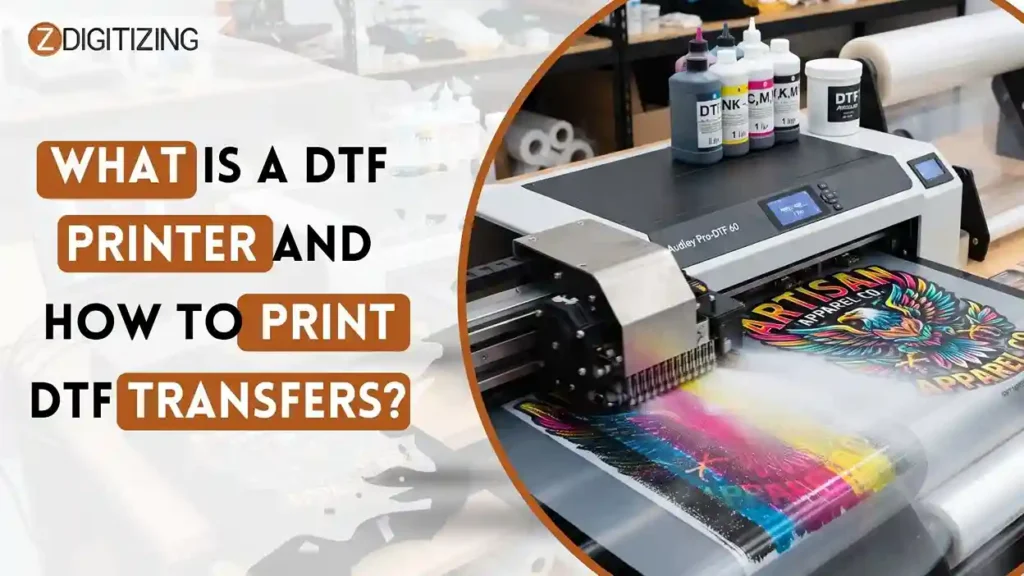
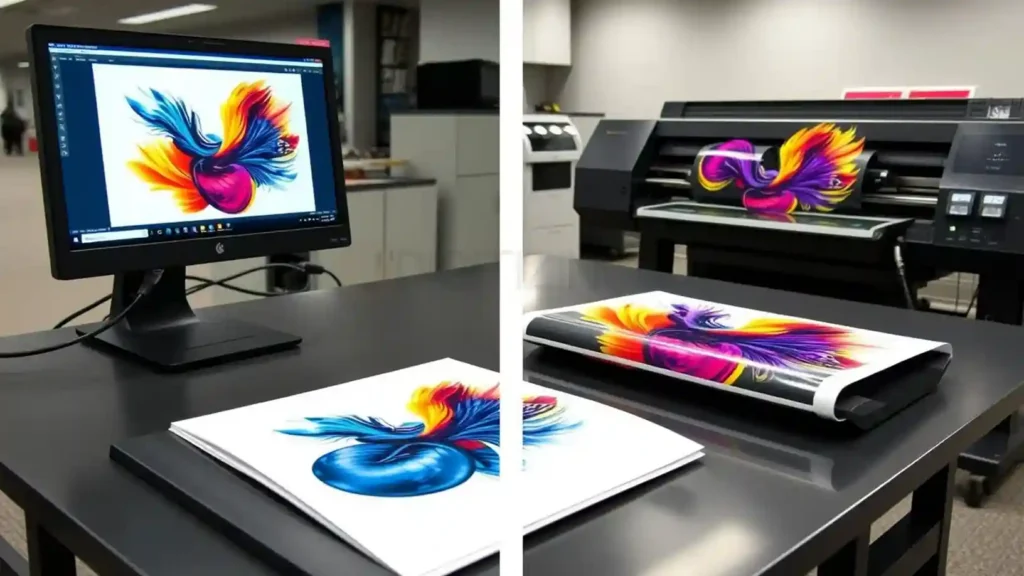
To understand DTF printer, it helps to think of it as a super-powered digital inkjet machine that uses a completely unique ink recipe. Unlike your standard desktop unit that prints book reports on regular paper, a DTF machine printer prints graphics onto a specialized clear plastic film.
The acronym DTF stands for Direct to Film printer. The core philosophy of this technology is that we stop trying to force ink directly into stubborn fabric fibers during the printing phase. Instead, the DTF printing machine outputs your graphic onto a stable, slick plastic medium first.
What is a DTF Printer (Core Definition)
The what is a DTF printer process relies on a heavy layer of opaque white ink printed directly on top of your colored design. This white ink acts as a protective shield and a blank canvas, ensuring that your colors pop perfectly, even if you are applying the final design onto a charcoal-black hoodie.
By decoupling the printing step from the actual garment, a what is a DTF printer setup eliminates fabric texture interference, lint issues, and color bleeding during production.
3 Pillars of the Technology: Printers, Powder, and Film
Understanding what is a DTF printer starts with knowing its three main components. If any one of them is low quality, the entire transfer can fail. Let us break down these core parts.
The Transfer Film (PET Sheets)
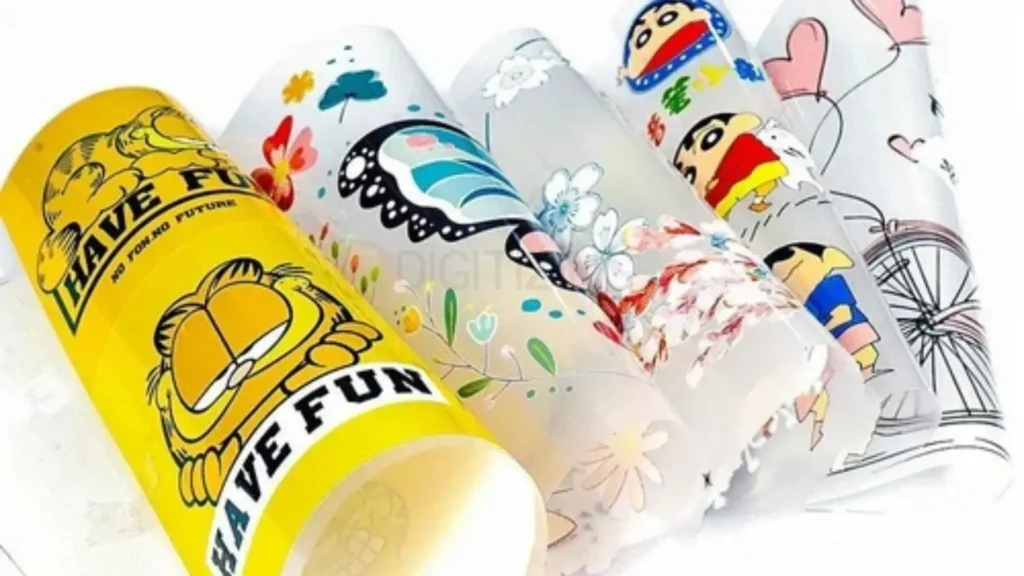
You cannot use regular overhead projector film or wax paper for this DTF printing process. It requires a specific type of plastic called Polyethylene Terephthalate (PET) film. This film is coated with a unique microscopic texture that holds onto liquid ink without letting it puddle or bleed.
The Transfer Film (PET Sheets)
At the same time, this coating is engineered to release the ink easily once exposed to intense heat and pressure. You can buy these films in pre-cut individual sheets or long rolls for automatic machine setups.
The Special Ink (CMYK + White Underbase)
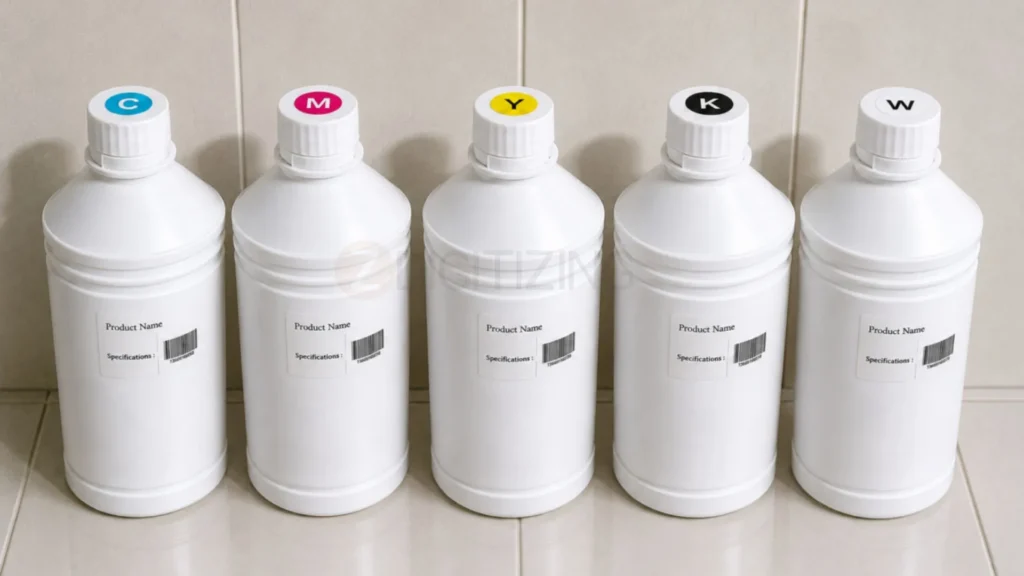
The ink used in a DTF transfer printer is water-based but highly flexible. It contains specialized textile pigments designed to stretch without cracking after being pressed onto a shirt. When learning what is a DTF printer, it is important to understand its ink system.
The Special Ink (CMYK + White Underbase)
The ink channels include standard CMYK (Cyan, Magenta, Yellow, Black) and a dedicated White channel. White ink is thicker because it contains titanium dioxide, providing the opacity needed to block the garment color underneath.
The Hot-Melt Adhesive Powder
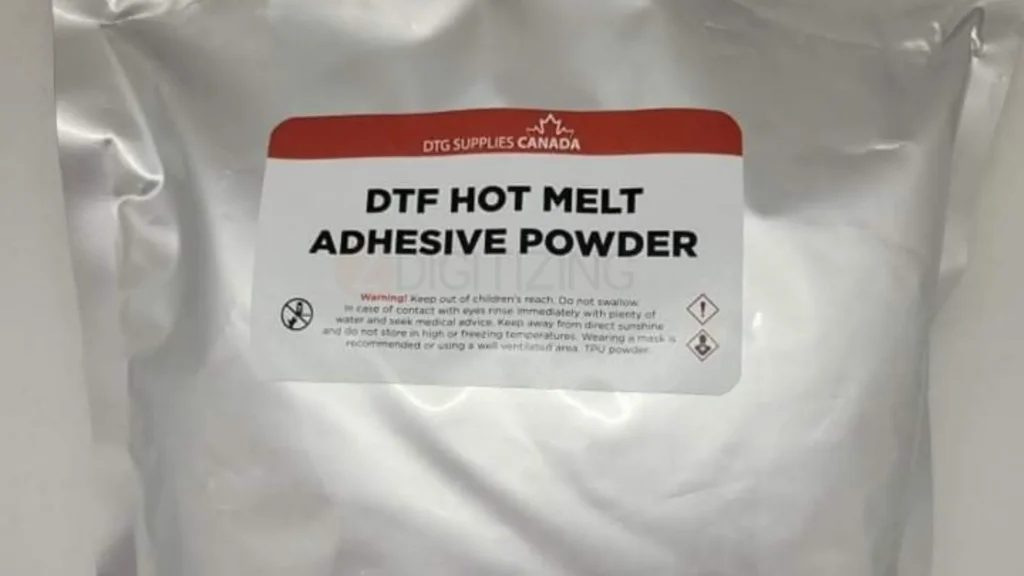
When understanding what is a DTF printer, remember that water-based ink cannot stick to fabric on its own. You need a bonding agent in the form of hot-melt adhesive powder made from Thermoplastic Polyurethane (TPU).
The Hot-Melt Adhesive Powder
While the printed ink on the plastic film is still wet, this granular powder is applied across the image.
The powder sticks only to the wet ink areas, leaving the blank plastic clean. When exposed to heat, this powder melts into a rubbery, glue-like layer that cross-links with the fabric fibers during the final pressing stage.
Converted vs. Purpose-Built: Choosing Your Hardware for Printing
When choosing what is a DTF printer, you will find two main options: modified desktop setups and purpose-built commercial machines.
For many years, the most affordable entry point was a modified Epson DTF printer. Clever engineers realized they could take a consumer photo printer, flush out the standard paper inks, install specialized textile inks, and use custom software to trick the machine into laying down a white underbase layer.
Converted vs. Purpose-Built Choosing Your Hardware for Printing
These are known as converted printers. While they represent the cheapest DTF printer option on the market, they require constant tinkering and a high degree of technical patience.
When choosing what is a DTF printer, purpose-built systems offer the most reliable option. These machines are designed specifically for thick textile inks and heavy film rolls, making them ideal for smooth, trouble-free commercial production.
Here is a clear look at how these two paths stack up against each other to help you determine if the entry-level DTF printer price is truly worth it for your specific workspace:
Converted Desktop Units vs. Dedicated Commercial Systems
Feature
Converted Desktop Printers
Purpose-Built Systems
Average Price Range
$600 – $1,500
$3,000 – $15,000+
White Ink Circulation
Rarely included (requires manual shaking)
Automated timed stirring and circulation
Printing Speed
Slow (takes 3 to 7 minutes per shirt design)
Very fast (produces dozens of transfers per hour)
Setup Difficulty
High (requires custom software overrides)
Low (plug-and-play with official drivers)
Best Suited For
Hobbyists, low-budget beginners, DIY crafters
Small businesses, print shops, high-volume creators
Step-by-Step Guide: How to Print DTF Transfers
To truly understand what is a DTF printer system’s capabilities, you need to see the production workflow. It is a precise physical process where temperature, timing, and order are critical to achieving a flawless result.
Here is exactly how a raw digital design becomes a beautiful, wash-resistant piece of wearable art:
Step 1: Creating and Preparing Your Digital Design
Creating and Preparing Your Digital Design
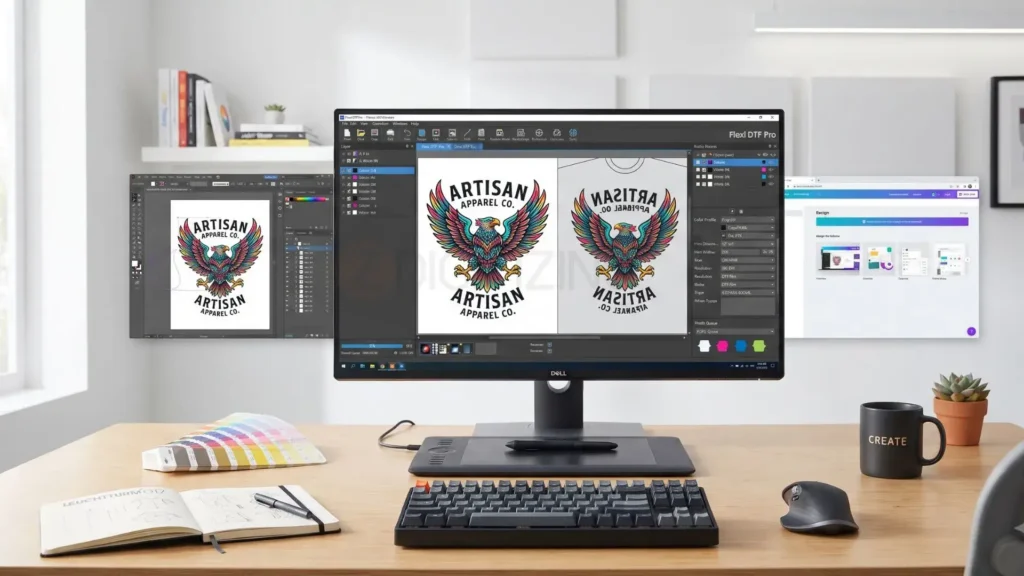
Everything begins on your computer. You can use design software like Adobe Photoshop, Illustrator, or Canva to create high-resolution artwork (ideally 300 DPI). Once your design is ready, you import it into a specialized program called a Raster Image Processor (RIP) software.
The RIP software tells you what is a DTF printer exactly how much white ink to lay down behind the colored graphics, and mirrors the image automatically so it faces the correct way when pressed face-down on your garment.
Step 2: Printing Onto the PET Film
Printing Onto the PET Film
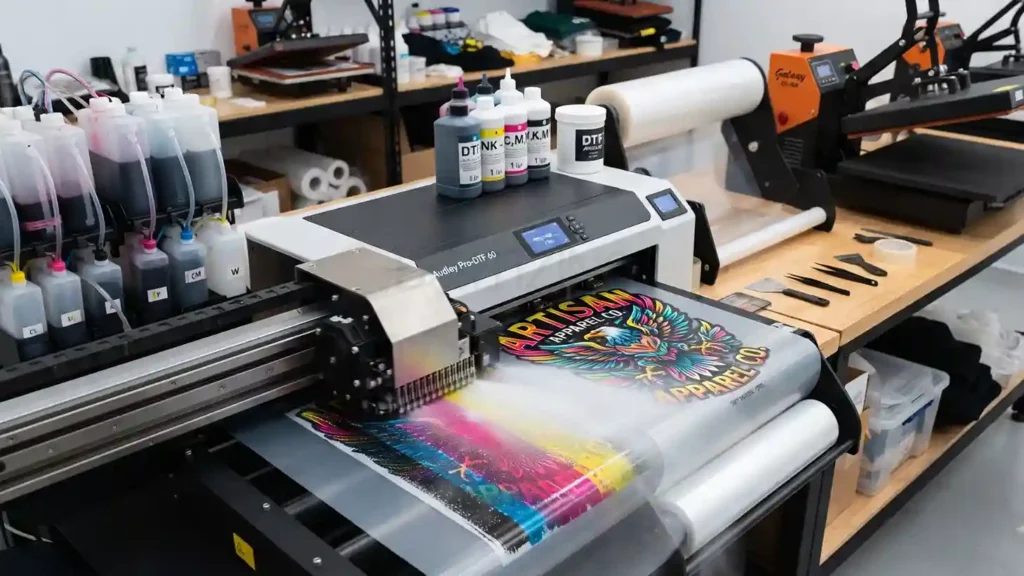
Load your PET film roll or sheet into the what is a DTF printer. The machine will first lay down the CMYK colored inks, creating your rich, detailed image. Immediately afterward, the printhead passes over the exact same area, printing a crisp white mask over the colors.
Watching a what is a DTF printer complete this action looks mesmerizing because the precision has to be absolutely perfect down to a fraction of a millimeter.
Step 3: Applying and Curing the Adhesive Powder
Applying and Curing the Adhesive Powder
While the printed ink is still completely wet, the film moves into the powder station. If you are using a manual setup, you will sprinkle the TPU powder over the film by hand and shake off the excess. If you have an industrial machine, an automated shaker handles this seamlessly.
As part of what is a DTF printer, the printed film is cured after the adhesive powder is applied. It is heated at 230°F to 250°F (110°C to 120°C) for two to three minutes, allowing the powder to melt into a smooth, orange-peel-like coating.
Step 4: Heat Pressing the DTF Printer for Shirts Workflow
Heat Pressing the DTF Printer for Shirts Workflow
Your transfer is now fully alive!
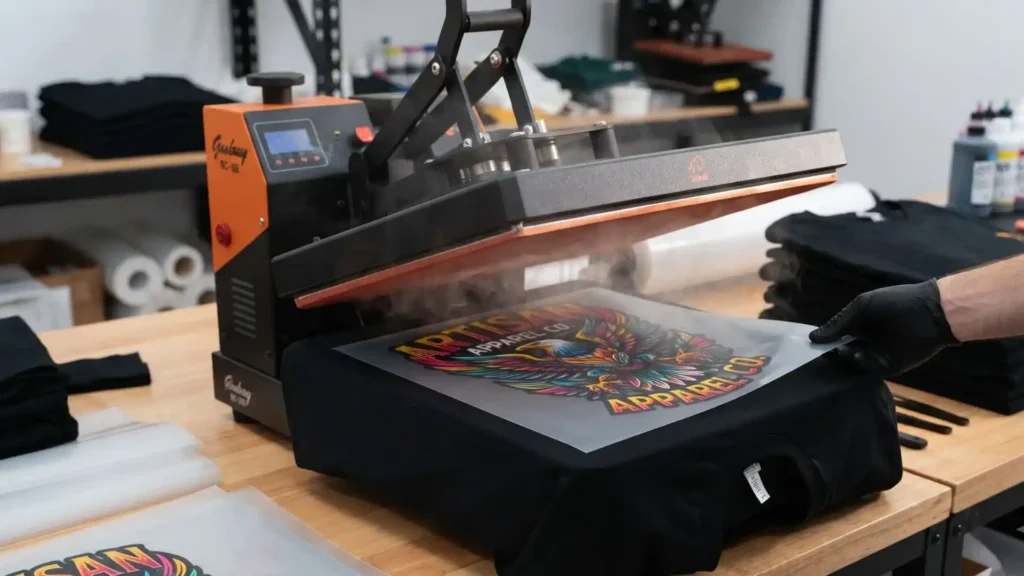
Place your fabric garment onto your heavy-duty heat press. Position your cured film transfer sheet with the melted glue side facing directly down onto the fabric.
Line it up perfectly, close the press, and apply medium-to-high pressure at 300°F to 320°F (150°C to 160°C) for 12 to 15 seconds. This is where the what is a DTF printer methodology shines, as the heat instantly liquefies the adhesive glaze, driving it deep into the weave of the fabric threads.
Step 5: Cold Peel vs. Hot Peel Film Removal
Cold Peel vs. Hot Peel Film Removal
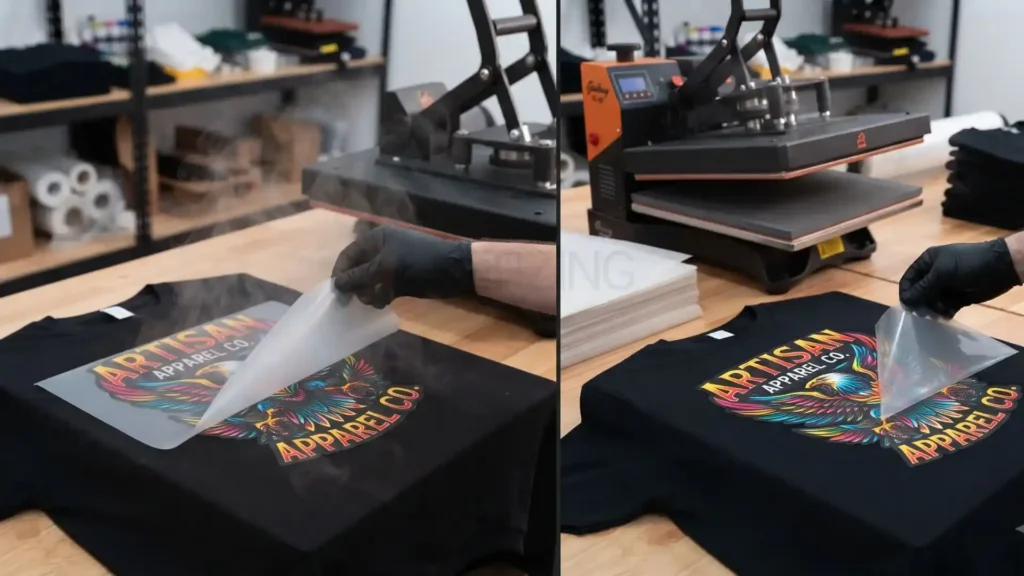
Depending on the specific type of PET film you purchased, you will either peel the plastic sheet away immediately while it is smoking hot (hot peel) or wait until the design cools down completely to room temperature (cold peel).
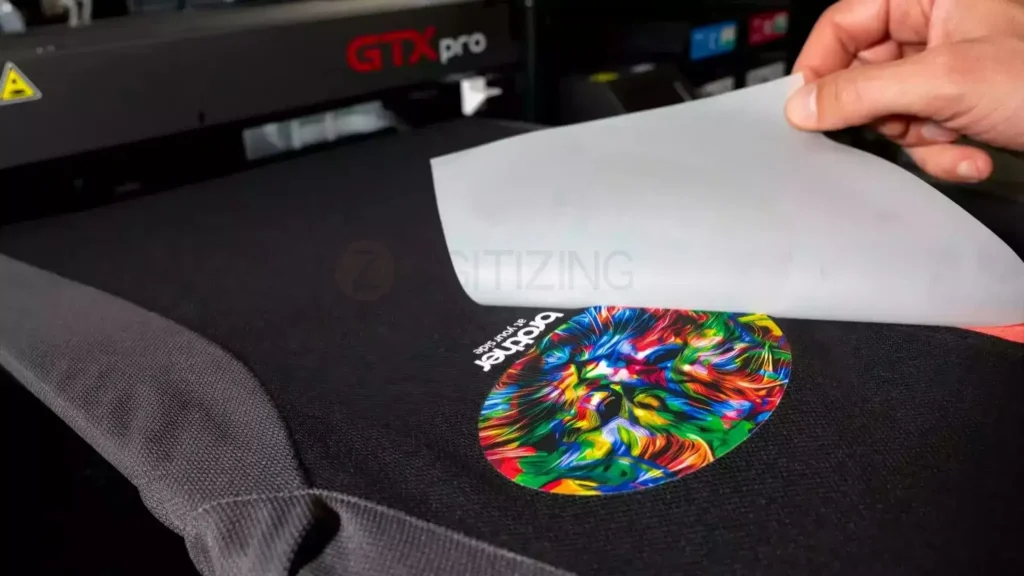
When using what is a DTF printer, peel away the clear film after pressing, leaving the design bonded to the fabric. For extra durability, apply a final 5-second press with parchment paper over the print.
Note: If you’ve read this far and need to digitize logo for embroidery or vectorize your artwork, ZDigitizing is here to help. Contact us to get started.
Head-to-Head: DTF vs Screen Printing vs. DTG
To fully understand what is a DTF printer, it helps to compare it with screen printing and DTG. Each method has different strengths, costs, and production requirements.
Let us look at how this modern workflow stacks up against the two classic giants of the industry:
Textile Decoration Battle: DTG vs DTF Printing vs Screen Printing
Excellent (All fabrics, but requires specific inks)
Setup Time for 1 Shirt
Under 5 minutes
5-10 minutes (due to liquid pretreatment)
30-60 minutes (burning mesh screens)
Setup Time for 100 Shirts
Low (Print continuously on roll film)
Moderate (Slow individual garment loading)
Extremely Low (Once screens are set, print is instant)
Color Vibrancy (Dark Clothes)
Outstanding (Solid white plasticized backing)
Good (But ink can sink into dark fibers)
Phenomenal (Thick plastisol ink layers)
Hand Feel / Texture
Thin, smooth, slightly rubbery plastic feel
Completely weightless (Ink sinks into fibers)
Thick, raised, distinct ink texture
Initial Capital Investment
Low to Moderate ($600 to $5,000)
Very High ($10,000 to $25,000+)
Moderate to High ($500 DIY to $10,000+ heavy manual)
Top DTF Printer Brands Reviewed (2026 Market Guide)
If you are looking for the best DTF printer for small business, you will come across several leading brands. Each serves a different segment of the printing market.
Procolored: A massive favorite among growing shops, a procolored DTF printer delivers exceptional out-of-the-box reliability. They offer compact, sleek desktop models equipped with automated cleaning functions, making them excellent choices for boutique owners who do not have massive warehouse spaces.
xTool: Known widely for their laser cutters, the xTool DTF printer solutions focus heavily on the DIY crafter and hobbyist ecosystem. Their software is incredibly intuitive, meaning a DTF printer for beginners search will frequently lead you straight to their user-friendly, highly accessible desktop hardware.
Haolic: If you are ready to scale into heavy commercial manufacturing, a Haolic DTF printer brings industrial strength to your floor. These workhorses are designed to handle massive 24-inch film rolls and run continuous print jobs for hours on end with minimal operator supervision.
Roland: For established print shops prioritizing premium build quality and elite engineering, a Roland DTF printer represents top-tier prestige. They offer unmatched color accuracy and incredible mechanical longevity, backed by phenomenal corporate warranty programs.
Pros and Cons of Direct-to-Film Printing
Every tool has its strengths and limitations. To help you maintain realistic expectations for a what is a DTF printer, let us lay out the honest pros and cons in a straightforward format.
The Advantages (Pros)
Incredible Fabric Freedom: You can print on cotton, polyester, nylon, canvas, denim, leather, and mixed blends without changing your inks.
No Pretreatment Needed: Save time and money by avoiding messy sprays and chemical dry cycles completely.
Stunning Detailed Quality: Easily print high-resolution photographs, fine text lines, and intricate colorful gradients.
Exceptional Stretchability: The finished prints stretch effortlessly along with the fabric and will not crack when pulled hard.
Cost-Efficient Production: The raw cost of film, ink, and powder is incredibly low, yielding excellent profit margins per shirt.
The Disadvantages (Cons)
Breathability Limits: Because a solid layer of plastic glue is pressed onto the shirt, large solid designs can feel like a solid block on hot summer days.
Strict Daily Maintenance: The white ink requires persistent, daily agitation to prevent catastrophic printhead clogging.
Initial Texture Feel: Some customers prefer the completely invisible feel of water-based screen prints over the smooth, light plastic texture of DTF.
Essential Maintenance Tips to Prevent Clogging
If you want your what is a DTF printer investment to last for years instead of months, you must respect the maintenance routine. Most machine breakdowns are caused by user neglect rather than faulty hardware.
The Golden Rule: Daily White Ink Shaking and Flushing
The Golden Rule Daily White Ink Shaking and Flushing
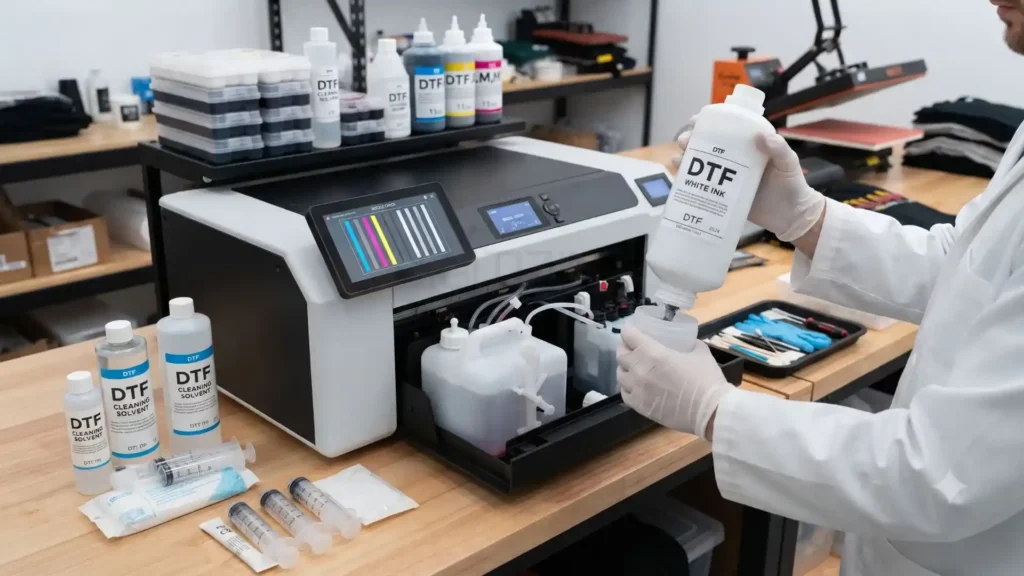
Because white ink settles so quickly, you must manually shake your ink tanks every morning before turning the machine on. Run a quick nozzle check print to ensure all ink channels are firing perfectly.
If you plan to go on vacation for more than a few days, you must flush the inks completely and fill the lines with specialized cleaning solution, or you will return to a completely ruined printhead.
Managing Room Humidity and Temperature for Perfect Prints
When using what is a DTF printer, maintaining the right environment is essential. Keep your workspace between 68°F and 78°F (20°C to 25°C) with a relative humidity of 40% to 60% for consistent print quality.
If the air gets too dry, the ink will literally dry up inside the printhead nozzles while you are mid-print, causing ugly lines and band marks across your graphics.
Air Filtration and Workshop Safety (Dealing with TPU Powder Fumes)
Air Filtration and Workshop Safety (Dealing with TPU Powder Fumes)
When TPU powder melts inside your curing oven, it releases tiny chemical vapors and a sweet-smelling smoke into the room. Breathing these fumes in over long periods is highly hazardous to your lungs.
Always set up your curing station in a well-ventilated room, use a dedicated air purifier with an activated carbon filter, or vent the exhaust smoke directly outside your building.
Conclusion
Learning what is a DTF printer can completely change how you make custom clothes. It is an amazing tool that lets you print bright, durable designs on almost any fabric, from cotton to polyester, without any messy or stressful setup.
Just remember to keep up with your daily machine cleaning and always work in a well-ventilated room to protect your lungs. With a little bit of practice, you will be making retail-quality shirts right from your home or workspace.
To get the absolute best results from your prints, your digital artwork needs to be perfectly clean and sharp. ZDigitizing offers fast embroidery digitizing services in Paris and vector art services worldwide to help you prepare flawless files that print beautifully.
We provide highly affordable pricing, a highly experienced team, and 24/7 customer support with a fast 4 to 12-hour turnaround time (with urgent orders done in 4 hours).
Plus, you get a design preview before payment and free minor revisions to make sure it is exactly how you want it. If you are ready to master everything what is a DTF printer system can do, head over to us today to get an exclusive 50% OFF your first order.
Are you looking for embroidery digitizing and vector art services at low cost with superfast turnaround, guarranted quality and preview before pay? So, you are at right place. We can digitize and vectorize any type of artwork in your required file format.