Many sewists love adding a shiny and decorative finish to their projects and often wonder, can you use embroidery thread in a sewing machine for regular sewing tasks. The answer is yes, but it works best for decorative stitching, quilting, and applique rather than seams that hold garments together. A common mistake is treating embroidery thread like standard sewing thread. This can cause thread breaks, tension issues, and skipped stitches.
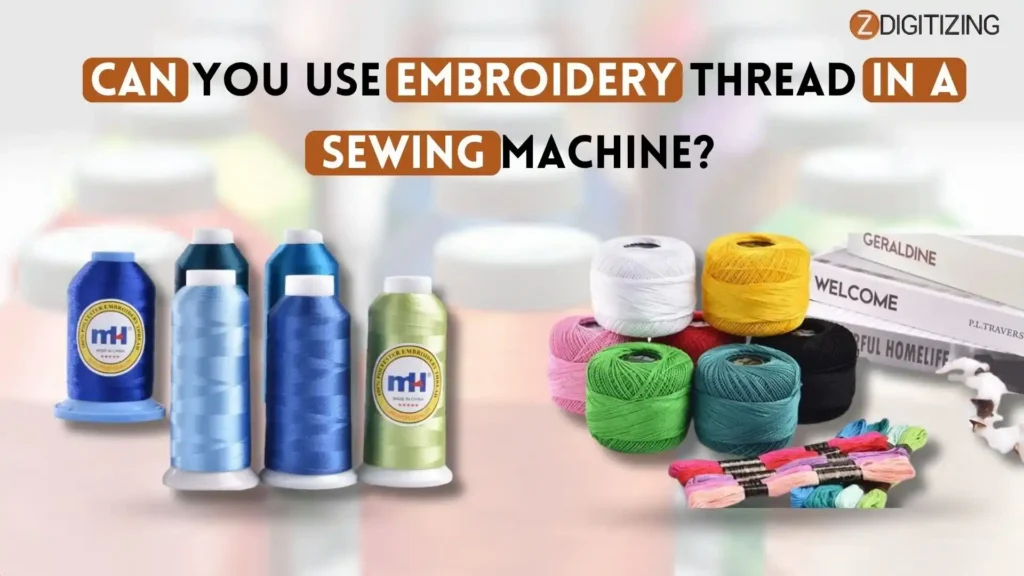
In this guide, you’ll learn when to use embroidery thread, how to adjust your machine settings, and how to achieve the best results with ease.
Can You Use Embroidery Thread In a Sewing Machine?
Can You Sew with Embroidery Thread? (The Core Answer)
Many sewists ask, can you use embroidery thread in a sewing machine for everyday sewing projects. The answer is yes, but embroidery thread is best suited for decorative stitching rather than garment construction.
Standard seams need a stronger thread that can handle stretching, pulling, and frequent washing. Using embroidery thread for high-stress seams may cause them to weaken or break over time.
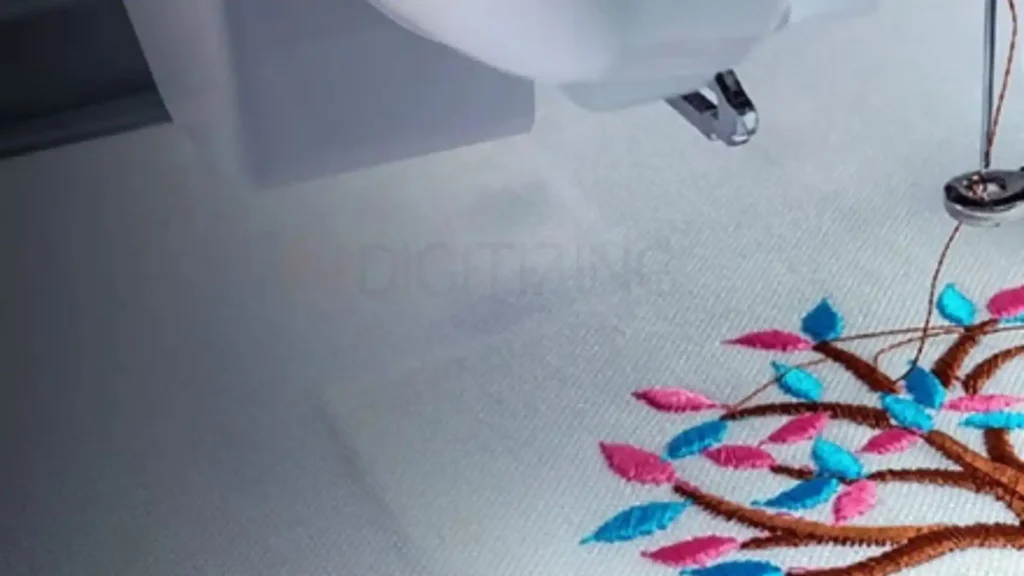
However, if your goal is to add decorative flourishes, you can safely use it. Many modern sewing machines come packed with built-in decorative utility stitches like chevrons, feathers, and vine patterns.
When considering can you use embroidery thread in a sewing machine, decorative stitches are one of the best applications. Running a vibrant embroidery thread through these settings makes designs stand out with a professional luster.
It is also an excellent choice for surface embellishments, machine applique, and free-motion quilting topstitches.
- When to say Yes: Applique, decorative topstitching, quilting designs, and monogramming on a standard sewing machine.
- When to say No: Seam construction, buttonholes, sewing elastic, and heavy-duty repairs on high-stress areas.
Embroidery Thread vs Sewing Thread: 3 Major Structural Differences
To understand why these threads perform differently, it helps to look at how they are made. When asking, can you use embroidery thread in a sewing machine, the key differences come down to twist, thickness, and strength.
Regular sewing thread is tightly twisted to create a strong structure that handles stress and friction. Embroidery thread is made differently, allowing it to lay flat on the fabric and create a smooth, shiny appearance.
The first major difference is the tensile strength. Sewing thread is built to be tough, while embroidery thread is intentionally manufactured with lower tensile strength so it can pivot rapidly during high-speed directional changes without bunching up fabric.
The second difference is the finish. Sewing thread is usually matte or semi-matte, whereas embroidery thread features a brilliant, reflective sheen.
The third difference is weight. Most standard sewing threads are a 40-weight or 50-weight structural cord, while embroidery options are frequently finer, allowing dense clusters of stitches to sit smoothly without creating stiff, cardboard-like spots on your textiles.
Thread Attribute | Regular Sewing Thread | Machine Embroidery Thread |
Primary Purpose | Structural seams, garment construction | Decorative embellishment, surface design |
Tensile Strength | High (Designed to hold stress and weight) | Low to Medium (Designed to lie flat on fabric) |
Finish/Appearance | Matte or semi-matte | High sheen, lustrous, or reflective |
Common Fibers | Spun polyester, heavy cotton | Trilobal polyester, rayon, filament silk |
How Different Embroidery Thread Types Behave in a Sewing Machine?
The best machine embroidery thread depends on the material and your project needs. Different thread types offer varying levels of shine, strength, and sewing performance.
Polyester Embroidery Thread: The Resilient All-Rounder
If you are wondering can you use embroidery thread in a sewing machine, polyester embroidery thread is one of the best options to start with. It is strong, resistant to stretching, and highly colorfast, making it a reliable choice for decorative sewing projects.

- Pros: Resists bleaching, handles higher speeds, and does not shed much lint.
- Best Used For: Children’s clothing, quilts that require frequent washing, and outdoor gear decorations.
Polyester handles the back-and-forth movement of the sewing machine needle plate much better than other decorative fibers. It is less likely to snap if your tension is slightly too tight.
Rayon Embroidery Thread: High Sheen, Low Tensile Strength
When asking, can you use embroidery thread in a sewing machine, rayon thread is another popular option. It is known for its exceptional shine and soft texture, making it ideal for decorative stitching and creating the smooth, glossy finish often seen on high-end garments.

- Pros: Unmatched brightness, deep color saturation, and a very smooth feel against the skin.
- Cons: Weak when wet, prone to fraying, and snaps easily under high tension.
If you choose to run rayon through your sewing machine, you must slow your sewing speed down. Fast, sudden movements can cause the delicate rayon strands to shred right at the eye of the needle.
Cotton Embroidery Thread: The Traditional Choice for Quilters

When considering can you use embroidery thread in a sewing machine, cotton embroidery thread offers a different look from polyester or rayon. Instead of a glossy finish, it creates a soft, matte appearance and is slightly thicker than other embroidery thread types of the same weight.
- Pros: Gives an authentic, handmade look and presses perfectly flat with a hot iron.
- Cons: Produces massive amounts of lint and has very little elasticity.
When using cotton embroidery options, you must clean out your bobbin area every few hours. The short fibers drop off quickly as the thread passes through the tension mechanisms, creating lint balls that can cause skipped stitches.
Top Thread Brands That Perform Best in Sewing Machines
Choosing the best thread for embroidery machine use is important for smooth stitching. High-quality brands provide consistent performance, while low-quality threads can cause tension issues and thread breaks.
1. Madeira Machine Embroidery Thread: Premium Consistency
When it comes to high-speed reliability, Madeira thread is a global favorite for good reason. Their Classic Rayon and Polyneon lines are engineered to incredibly strict tolerances. This means the thread diameter remains completely uniform throughout the entire spool.
If you are asking can you use embroidery thread in a sewing machine, this premium brand is a great example. The smooth exterior finish glides effortlessly through standard tension discs, providing beautiful stitch uniformity even when executing intricate decorative stitch patterns.
2. Glide Machine Embroidery Thread: Exceptional Tension Control and Trilobal Shine

Another outstanding option is Glide Thread, which uses advanced trilobal polyester technology. The unique triangular shape of its fibers reflects light intensely, creating a brilliant sheen while maintaining the strength of polyester.
For those wondering can you use embroidery thread in a sewing machine, Glide Thread is an excellent choice. Its special lubricant coating reduces friction through the needle eye, making it highly reliable for decorative sewing, machine quilting, and applique work on standard home sewing machines.
3. Brother Machine Embroidery Thread: Highly Compatible for Multi-Use Machines
If you own a combination sewing and embroidery unit, Brother embroidery thread is likely already sitting in your craft room. This thread is formulated to work perfectly with home machine tension mechanics.
For anyone asking can you use embroidery thread in a sewing machine, Brother thread is a reliable option. It has just enough elasticity to stretch slightly under tension without snapping, making it highly versatile for switching between regular utility sewing and surface embroidery accents.
Critical Machine Adjustments to Prevent Thread Shredding and Snapping
You cannot simply drop a spool of delicate filament thread into your machine and sew with your normal settings.
To learn how to tie off embroidery thread successfully, it’s important to understand proper thread handling and machine tension so your stitches remain secure and your embroidery stays neat.
Choosing the Right Sewing Machine Needle Size
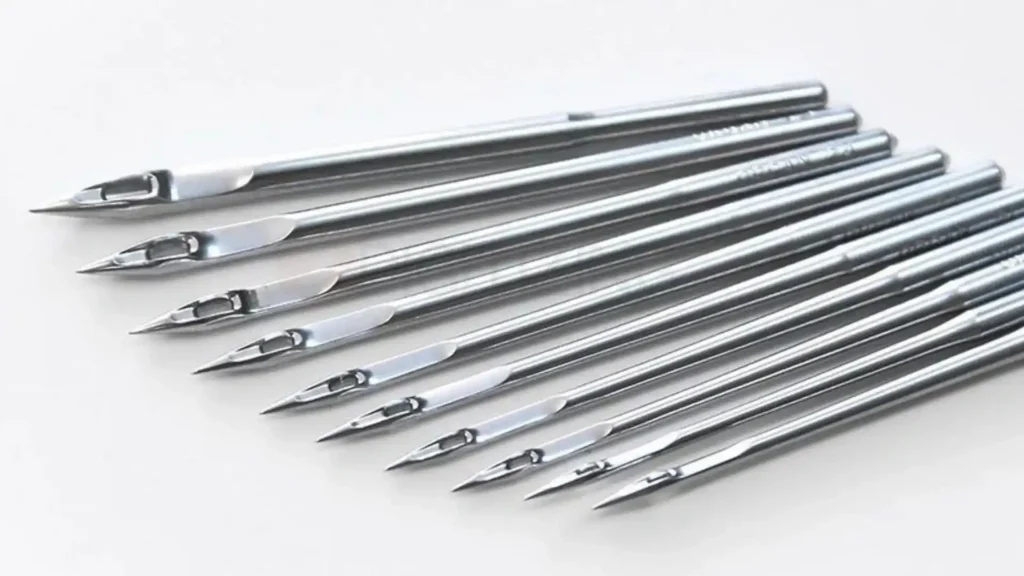
Your standard universal sewing needle is not designed to handle the slick, delicate nature of embroidery fibers. If you are wondering can you use embroidery thread in a sewing machine, choosing the correct needle is just as important as choosing the thread.
Universal needles have a small eye that creates friction, so an embroidery or topstitch needle is a better choice.
These specialized needles feature a larger eye and a deeper scarf groove, allowing the thread to pass through smoothly without damage. For standard 40-weight threads, a size 75/11 embroidery needle works well on lightweight fabrics, while a 90/14 needle is better for thicker materials.
Tuning Your Top Tension and Bobbin Settings
When using can you use embroidery thread in a sewing machine, proper tension settings are important. Embroidery thread is more delicate than sewing thread, so high tension can cause stretching, fraying, or breakage.
- Locate the tension dial on the front or top of your sewing machine.
- Lower your upper tension setting from its standard auto position (usually around 4.0) down to a lower range between 2.0 and 3.0.
- Test your stitches on a scrap piece of fabric to verify that the top thread is wrapping slightly to the back without creating loops on the front.
- Keep your bobbin tension at its factory default setting; altering the bobbin case tension can cause long-term timing issues.
How Large-Scale Digitizing Designs Impact Fabric and Thread Stress
When asking can you use embroidery thread in a sewing machine, it is important to understand how complex designs affect thread performance. When you move beyond simple straight-line sewing and start creating dense patterns, the stress on both the thread and fabric increases significantly.
This is especially true for large projects like jacket back digitizing, where thousands of stitches are packed tightly into a large design area. Dense fill patterns push fabric fibers apart and place extra strain on the needle and thread path.
If you attempt to sew a highly dense design using a weak thread, the constant needle penetrations can quickly cause the thread to fray or break.
For heavy stitch structures, it is best to use a strong polyester embroidery thread along with the proper stabilizer backing to prevent fabric puckering and support the weight of the design.
Can You Use Regular Sewing Thread in the Bobbin with Embroidery Top Thread?

A frequent dilemma arises when you realize you do not have enough matching embroidery spools to fill both the top spindle and the bobbin case. Fortunately, you can safely use regular sewing thread in your bobbin while running an embroidery option on top for your decorative stitches.
In fact, using a standard 50-weight or a specialized 60-weight lightweight bobbin thread is highly recommended. Because the bobbin thread stays hidden on the underside of the project, using a thinner, plain thread prevents the overall stitch structure from becoming overly thick and bulky.
It also allows the shiny top thread to sit gracefully on the surface without being pulled out of alignment by a heavy, stiff lower thread.
Will Embroidery Thread Ruin Your Sewing Machine?
It is a common myth in the crafting community that alternative threads can permanently damage a standard sewing machine’s internal motor or timing mechanics. Rest assured, using high-quality sewing machine embroidery thread will not harm your equipment in any way.
The only real byproduct you need to watch out for is lint accumulation. Natural options like cotton leave behind a soft dust that collects around the feed dogs and the hook assembly.
Over time, this lint can absorb the machine’s internal lubricants, causing friction and minor stitching hesitation. To prevent this, simply remove your needle plate after every large project and use a small nylon brush to clear out any stray fibers.
Conclusion
Using decorative thread can make your projects look beautiful, but knowing when can you use embroidery thread in a sewing machine is the key to avoiding broken lines and jammed needles.
You can absolutely use these shiny threads for decorative stitching, quilting, or applique on a standard machine, but you must avoid using them for heavy construction seams.
To get the best results without snaps, just lower your top tension and use a special embroidery needle. Understanding how can you use embroidery thread in a sewing machine allows you to safely decorate your fabrics while keeping your machine running smoothly.
When you want to sew complex logos or custom artwork, having a perfect digital design file is just as important as choosing the right thread.
If you are looking for affordable embroidery digitizing services in France to translate your images into flawless stitches, ZDigitizing is here to help. With over 10+ years of experience, our expert digitizing team manually creates files that prevent thread breaks and fabric puckering.
We offer a 24/7 working team help you at any hour, and your satisfaction is quality guaranteed. We always send a preview provided before payment, offer free minor edits, and keep our prices lower than the market.
Visit ZDigitizing today, place your first order to get 50% OFF, and experience premium embroidery digitizing quality for yourself!