Finding the right embroidery fabric is the most critical decision for a successful project because the material dictates how your stitches sit. Generally, stable, non-stretchy woven materials like 100% quilting cotton or medium-weight linen provide the best results for beginners and professionals. These fabrics handle needle pressure without puckering or distorting. Learning which fabric to use when, you avoid mistakes and get better results, even on your first projects.

A Beginner Guide to the Best Modern Embroidery Fabrics
Why Your Choice of Fabric is 90% of the Battle?
In the world of machine stitching, your choice of embroidery fabric is the foundation that holds everything together. If you pick a material that is too thin or too stretchy, the machine will pull and tug on the threads until the design looks messy.
Even the most beautiful design can be ruined if the material underneath cannot support the weight of the thousands of stitches being added to it.
When you start a new project, finding the best fabric for embroidery often means looking for something stable. A stable material stays flat and firm while the needle moves up and down at high speeds.

If the material shifts even a tiny bit, the outlines of your design won’t line up correctly. This is why experts say the material is just as important as the machine itself.
Using a high-quality embroidery fabric also helps prevent common problems like “bird-nesting,” where the thread tangles into a ball under your hoop. When the fabric is strong and held correctly, the needle can pass through cleanly every single time.
By taking the time to pick the right base, you make the job much easier for your machine and ensure your finished work looks professional and clean.
Important Fabric Properties: What to Look for Before You Stitch
Before you turn on your machine, you must check the specific properties of your embroidery fabric to make sure it can handle the needle’s high speed.
Not all materials are made the same way. Their internal structure changes how they react when they are pulled into a hoop or stitched.
Finding a good fabric means checking three simple things: stretch, weight, and thread count.
Stretch Test: Woven vs. Knit
The most important property to look for is “stretch.” Woven fabrics are made by crossing threads in straight lines. They are very stable and do not move much, which is why they are the perfect embroidery fabric for beginners.
Knit fabrics, like the ones used for t-shirts, are made of loops (like a sweater). These stretch a lot when you pull them.
If you use a stretchy material, the machine might pull it out of shape, making your design look crooked or messy. For your first few projects, stick to woven materials because they stay flat and firm.
Fabric Weight and Density
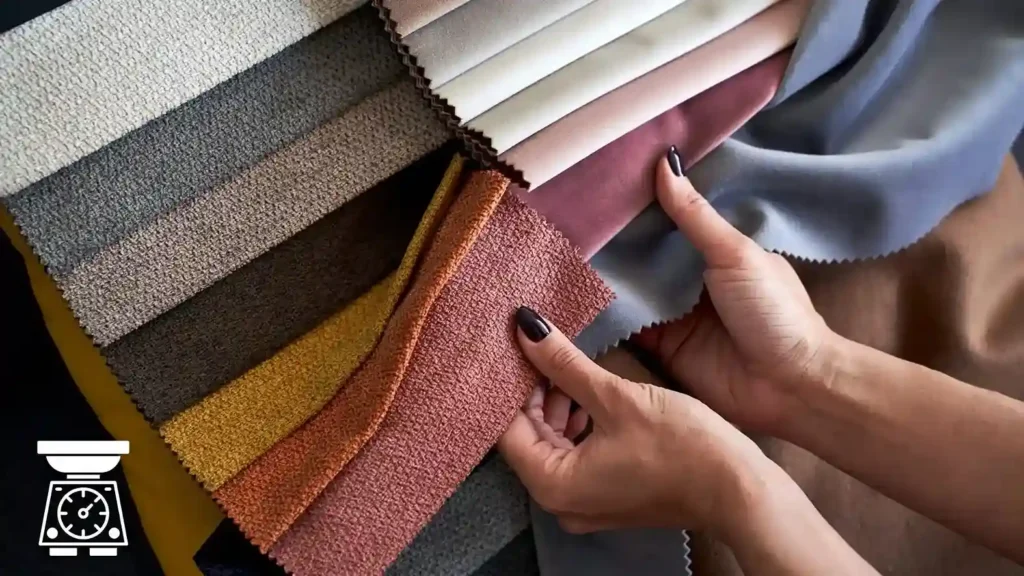
You can measure how heavy a material is by checking its GSM, which stands for grams per square meter. You want a fabric for embroidery that is medium-weight. If the material is too thin, the heavy stitches will weigh it down and cause it to sag or tear.
If it is too thick, like very heavy canvas, your machine needle might struggle to pierce through the layers, leading to broken threads.
Thread Count: The “Sweet Spot”
Thread count is just a way to say how many threads are packed into one inch of cloth. While very high thread counts (like expensive bed sheets) sound fancy, they can actually be hard to embroider.
If the threads are packed too tightly together, the needle has a hard time finding a gap to pass through. A high-quality fabric has a medium, even weave that is strong but allows the needle to move easily without getting stuck.
Top 12 Best Modern Embroidery Fabrics for Machines
Choosing the right fabric is the most important step for a successful project. Different materials react differently to machine needles and high stitch counts.
Below is a list of the top 12 materials that work best for modern machine designs.
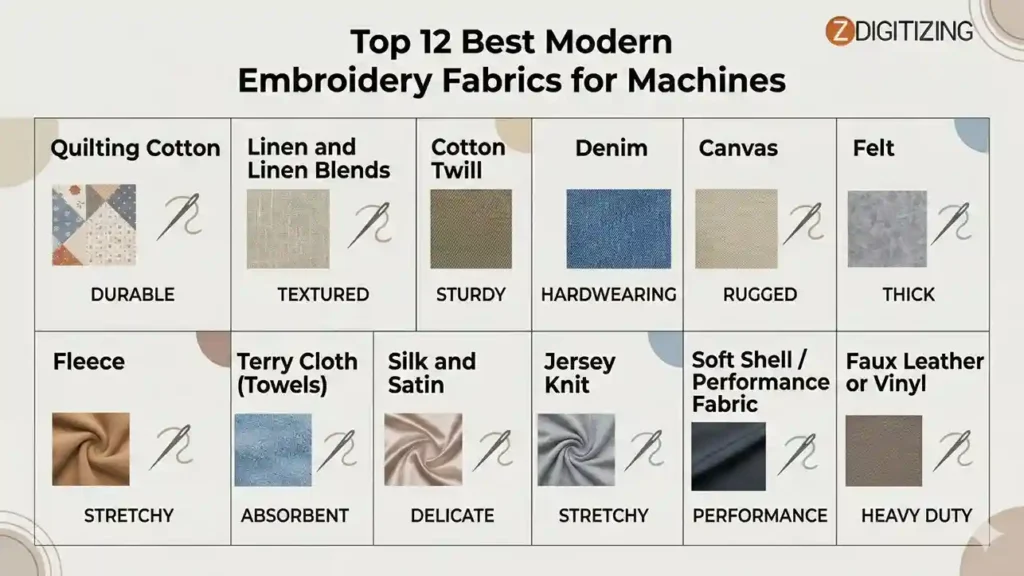
- Quilting Cotton
- Linen and Linen Blends
- Cotton Twill
- Denim
- Canvas
- Felt
- Fleece
- Terry Cloth (Towels)
- Silk and Satin
- Jersey Knit
- Soft Shell/Performance Fabric
- Faux Leather or Vinyl
1. Quilting Cotton (The Beginner Favorite)

Quilting cotton is a 100% natural material that is very stable and easy to use. It is widely considered the best fabric for embroidery because it does not stretch or slip while the machine is running.
Because the threads are woven tightly in a simple square pattern, the needle can move through it very cleanly. It comes in thousands of colors and is the perfect embroidery fabric for beginners who want to practice without any stress.
2. Linen and Linen Blends (The Elegant Choice)
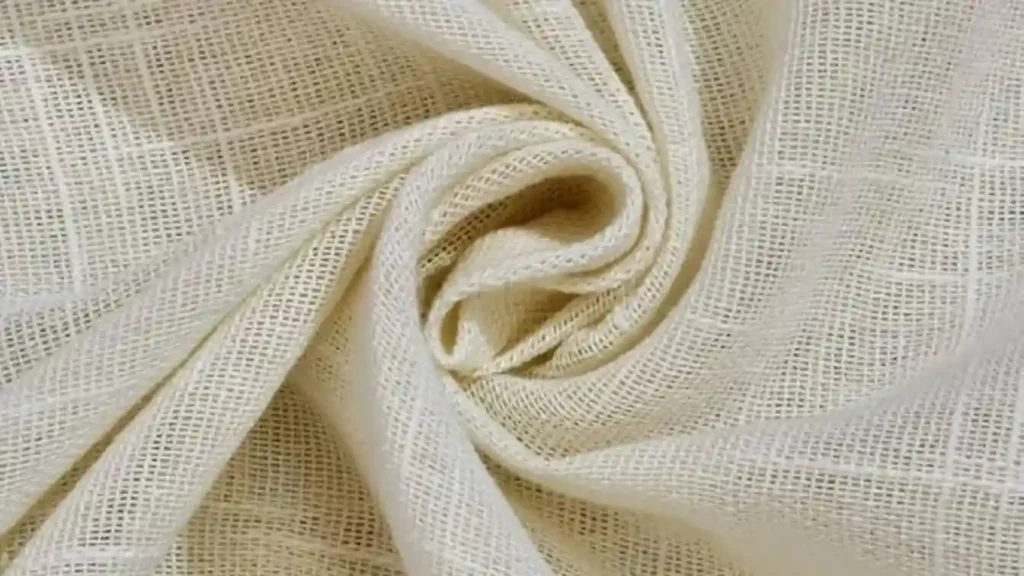
Linen has a beautiful, natural texture that looks very high-end and professional. While pure linen can be a bit “shifty” (the threads move easily), using fabric and embroidery techniques like stabilized linen blends makes it much easier to handle.
A linen-cotton blend gives you the fancy look of linen but with the extra strength of cotton. It is a good embroidery fabric for home decor like napkins, tablecloths, or summer clothing.
3. Cotton Twill (The Heavy-Duty Hero)
This is a thick material with diagonal ribs, similar to what you see on work pants or chinos. It is an excellent fabric for machine embroidery designs, such as in cap digitizing services, with a high stitch count, because it is very strong and won’t tear.
If you are looking for the best fabric for embroidery patches, cotton twill is usually the top choice because it stays flat and holds its shape even after you cut it out.
4. Denim (The Durable Icon)
Denim is a classic choice for custom jackets, jeans, and bags. Because it is so thick and heavy, it acts as a very sturdy embroidery fabric, but you must use a sharp, heavy needle (size 90/14) to get through the layers.
It almost never puckers because the material is too strong to be pulled by the thread. This makes it one of the most reliable fabrics for large, bold designs.
5. Canvas (The Strongest Base)

Canvas is even heavier than denim and is often used for tote bags or outdoor pillows. It is a fantastic fabric because it stays perfectly flat in the hoop and never sags.
Even if your design has 50,000 stitches, a heavy canvas will hold them all without wrinkling. It is a very good embroidery fabric for items that need to last a long time and handle a lot of use.
6. Felt (The “No-Fray” Material)
Felt is unique because it is not woven; it is made by pressing fibers together until they mat. It is one of the best embroidery fabric types for beginners because the edges do not fray when you cut them.
This means you can embroider a shape and then cut it right next to the stitches. It is a popular fabric for embroidery patches and holiday ornaments.
7. Fleece (The Soft and Fuzzy Choice)

Fleece is soft, warm, and fuzzy, making it popular for blankets and winter hoodies. When using this fabric embroidery patches base, you must use a “topping” (a clear, plastic-like sheet that dissolves in water).
Without this topping, your stitches will sink into the fuzzy hair of the fabric and disappear. The topping keeps the thread sitting on top so your design stays visible.
8. Terry Cloth (The Towel Specialist)
Towels are great for gifts, but they are covered in long loops of thread. Like fleece, this embroidery fabric needs a water-soluble topping to keep the stitches from getting lost in the loops.
Because towels are used in the bathroom, make sure to use a “cut-away” stabilizer on the back so the embroidery stays strong even after many trips through the washing machine.
9. Silk and Satin (The Shiny and Delicate Option)
These are shiny, beautiful materials used for bridal wear or fancy pillows. However, they are very slippery and “delicate.” They are advanced embroidery fabrics because the hoop can leave a permanent mark (called “hoop burn”).
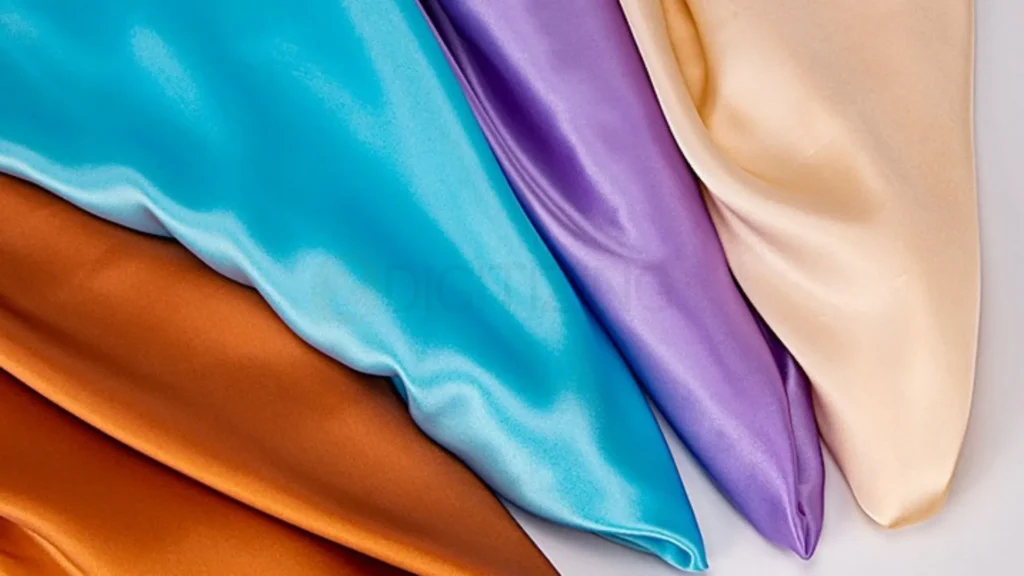
To avoid this, you usually stick the fabric to the stabilizer instead of squeezing it inside the hoop. This keeps the shiny surface perfect.
10. Jersey Knit (The T-Shirt Challenge)
This is the stretchy material used for t-shirts. It is a popular fabric for embroidery patches, but it requires a special “ballpoint” needle.
A regular sharp needle might cut the tiny loops of the knit and cause a hole. A ballpoint needle slides between the fibers instead. Always use a “no-show mesh” stabilizer with jersey so the design doesn’t feel heavy or scratchy against the skin.
11. Soft Shell (The Performance Fabric)
Often used for gym clothes and rain jackets, these materials are moisture-wicking and often have a bit of stretch. They are modern embroidery fabric types that need a very stable backing.
Because these fabrics are often used outdoors, they are a great match for polyester embroidery threads that won’t fade in the sun.
12. Faux Leather or Vinyl (The Professional Look)
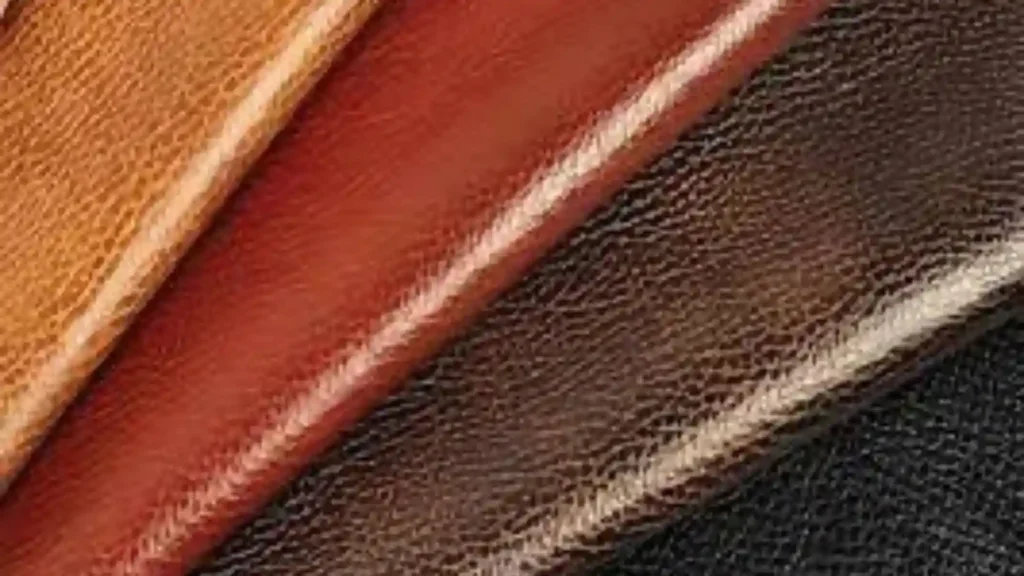
Modern machines can easily stitch on thin faux leather or vinyl. This is often the best fabric for embroidery patches that need to look tough or expensive.
Since the needle leaves permanent holes in the leather, you cannot “undo” a mistake. It is important to use a “non-stick” needle if the vinyl is tacky, so the machine doesn’t skip any stitches.
Synthetic and Modern Fabrics for Machine Embroidery
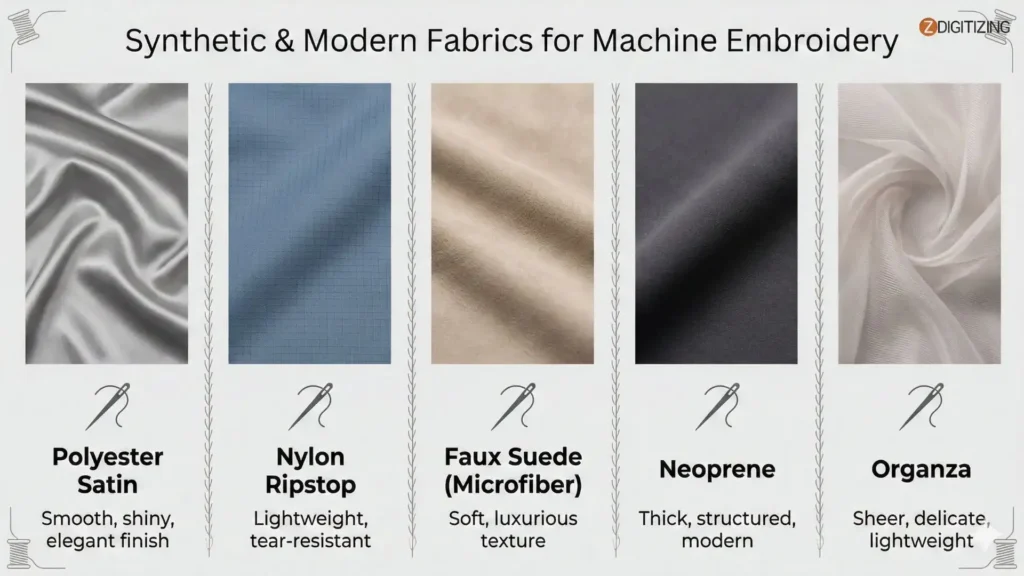
Modern technology has created many synthetic fabrics that are perfect for colorful and durable machine designs. These materials are often tougher than natural fibers and can handle thousands of stitches without tearing or fading.
Using a printed embroidery fabric made of synthetic fibers is a great way to add unique patterns to your work.
- Polyester Satin
- Nylon Ripstop
- Faux Suede (Microfiber)
- Neoprene
- Organza
1. Polyester Satin
This is a shiny, smooth material that looks like expensive silk but is much stronger. It is a good embroidery fabric for formal wear or decorative pillows because it holds bright thread colors beautifully.
Because it is slippery, you should use a sticky stabilizer to keep it from moving in the hoop.
2. Nylon Ripstop
You might recognize this thin, tough material from camping gear or high-end jackets. It has a tiny grid pattern that prevents tears from spreading.
It is a fantastic fabric for embroidery on outdoor items like backpacks because it is waterproof and very lightweight.
3. Faux Suede (Microfiber)
Faux suede feels soft like real leather but is much easier to wash. It is an excellent embroidery fabric for luxury items because the needle passes through it smoothly.
It doesn’t fray, so it is often used for high-end fabric embroidery patches on hats or jackets.
4. Neoprene
This is the thick, squishy material used for wetsuits and laptop sleeves. It is a very stable embroidery fabric for beginners because it is so thick that it almost acts as its own stabilizer.
It creates a cool, 3D effect when you stitch dense designs onto its surface.
5. Organza
Organza is a see-through, stiff synthetic mesh. It is the best fabric for embroidery when you want to make “Free Standing Lace” (designs that hold their shape without any cloth behind them).
After you stitch on it, you can trim the edges for a beautiful, floating look.
Practical Checklist: How to Choose the Right Embroidery Fabric?
Follow these simple steps to pick the perfect fabric every time. This checklist takes you from idea to success without guesswork.
Use it before every project to save time and avoid bad results.
- Know your project type: Decide if it is clothing, a towel, a bag, or wall art. Different items need different fabrics.
- Think about washing and wear: Will it get washed often? Pick strong embroidery fabrics like twill or poly blends for uniforms.
- Check your skill level: New to embroidery? Start with easy fabrics like quilting cotton or felt.
- Match fabric family: Choose woven (cotton), knit (T-shirt), or non-woven (felt). Woven is usually easiest for beginners.
- Feel the weight and weave: Go for medium weight (not too thin, not too thick). Tight weave holds stitches better.
- Test on a scrap first: Cut a small piece, hoop it, stitch your design. Check for puckering or sinking.
- Adjust if needed: Wrong stabilizer? Too dense design? Fix one thing at a time and test again.
Quick tip: Write notes on what works for each fabric. Keep a fabric journal for your next project.
Matching Your Embroidery Fabric to the Right Stabilizer
Fabric Type | Weight | Recommended Stabilizer | Needle Suggestion |
Quilting Cotton | Medium | Tear-away (1-2 layers) | 75/11 Sharp |
Linen Blends | Medium | Cut-away | 80/12 Sharp |
Denim / Twill | Heavy | Heavy Tear-away or Cut-away | 90/14 Sharp |
T-Shirt Jersey | Light | No-Show Mesh (Cut-away) | 75/11 Ballpoint |
Fleece / Hoodies | Heavy | Cut-away + Water Soluble Topping | 80/12 Ballpoint |
Felt | Medium | Tear-away | 80/12 Sharp |
Global Shopping Guide: Where to Buy Quality Embroidery Fabric
You can find good fabric almost anywhere in the world, from big chain stores to online shops. The key is to look for medium-weight woven materials like quilting cotton, twill, or linen blends that feel stable when you pull them.
Knowing what fabric to use for embroidery starts with smart shopping choices.
Big Chain Fabric Stores (Widely Available)
These stores have wide aisles full of bolts you can touch and check. They carry quilting cotton, denim, fleece, and felt in many colors and weights, perfect for embroidery fabric for beginners and pros alike.
- Joann Fabrics (mainly USA, some Canada): Great selection of quilting cotton and embroidery blanks. Look for “fat quarters” to test small projects. Their fabrics pair well with a joann fabric embroidery machine setup.
- Hobby Lobby (USA): Affordable quilting cotton and felt sheets. Check weekly sales for bulk savings.
- Fabricland (Canada): Good linen blends and stable cottons. Ask staff for “embroidery-friendly” bolts.
- Abakhan or The Fabric Store (UK/Europe): Medium-weight cottons and linens for home sewing.
Tip: Always ask to see the full bolt label. Feel the weave; tighter is better for beginners.
Online Fabric Retailers (Ships Worldwide)
Online stores let you filter by weight, fiber, and use. They often have customer photos and reviews showing the real texture of the embroidery fabric.
- Fabric.com or Fabric Wholesale Direct (USA/Global): Huge quilting cotton selection with GSM listed. Free shipping over certain amount.
- Hawthorne Supply Co. or Girl Charlee (USA/Global): Knits and wovens with stretch ratings. Good for poly blends.
- Spoonflower (Global): Custom-printed cotton and performance fabrics perfect for unique projects.
- Etsy (Global): Small-batch quilting cotton, linen, and pre-cut embroidery blanks from independent sellers.
Tip: Order samples first (many sell 1/4 yard cuts). Check shipping times for international orders.
Local Quilt Shops and Sewing Centers
Small local shops often carry the highest quality materials. Owners know exactly which bolts work best for machine embroidery and can guide you on what fabric to use for embroidery.
- Search “quilt shop near me” or “sewing fabric store.”
- They stock premium quilting cotton, linen, and sometimes wool felt.
- Bonus: Staff gives hands-on advice about stabilizer pairings.
Pro tip: Build a relationship; many offer discounts for repeat buyers or classes.
Discount and Wholesale Options

Save money without sacrificing quality by shopping sales or buying in bulk on embroidery fabric.
- Amazon or Walmart online: Budget quilting cotton and fleece. Read recent reviews for current quality.
- End-of-bolt bins at any fabric store: Cheap scraps perfect for testing designs.
- Wholesale lots on eBay: Twill or felt by the yard for patches and uniforms.
What to Look For on Any Label?
No matter where you shop, check these details:
- Fiber: 100% cotton, cotton-poly blend, linen, or wool blend.
- Weight: Medium (4-6 oz/yard or 130-200 GSM).
- Weave: Smooth, tight (not gauzy or overly textured).
- Width: 44-60 inches works in most hoops.
Common Mistakes When Choosing Fabric for Machine Embroidery
Picking the wrong embroidery fabric can ruin your project before you even start. Here are the most common problems beginners make and how to avoid them easily.
- Using thin, stretchy T-shirts right away: They pucker and pull under stitches. Start with stable woven fabrics instead.
- Skipping pre-wash on cotton or linen: These fabrics shrink and twist your design later. Always wash embroidery fabric and dry it first.
- Too many stitches on light fabrics: Dense designs make thin material stiff and wavy. Use lighter fills or bigger shapes.
- No topping on fleece or towels: Stitches sink into the fuzzy surface. Add water-soluble topping every time.
- Wrong stabilizer for stretchy knits: Tear-away lets knits shift and distort. Use a cut-away for a better hold.
- Dense logos on thick denim or canvas: They get too stiff and heavy. Lower density for heavy fabric.
Conclusion: Your First Project Starts Here
Mastering the art of choosing the right embroidery fabric is a journey of trial and error, but starting with stable materials like quilting cotton or denim will set you up for immediate success.
By matching your material weight to the correct stabilizer and needle, you eliminate the technical hurdles that frustrate most beginners.
In summary, always remember to check the stretch of your clothes, perform a light test for density, and pre-wash natural fibers to avoid shrinking.
Whether you are creating custom patches or high-end home decor, the quality of your base material is the foundation of your art.
Taking the time to prep your embroidery fabric properly ensures your machine runs smoothly and your finished designs look professional for years to come.
If you want your designs to look perfect on any material, you need expert help. ZDigitizing provides the best embroidery digitizing services in UK, the USA, and all over the world.
With over 10 years of experience, we know exactly how to adjust a design to match your specific embroidery fabric so it never puckers or shifts.
Our team doesn’t just digitize; we provide expert tips to help you get the best results on your machine. We offer a super-fast turnaround time, usually delivering your files within 12 hours.
Your quality is guaranteed, and we always send a PDF preview for you to check before we send the final original file.
Special Offer: We are currently giving 50% OFF on your very first order!
Ready to transform your designs? Click here to get your 50% discount and start your project with ZDigitizing today!