When people first explore modern embroidery, they often ask how do embroidery machines work, and the short answer is simple: these machines read a digital design file and turn it into precise stitches using automated needle and fabric movement. What feels complex at first is actually a well-organized process driven by software and mechanics. The real curiosity begins when you realize a machine can turn a flat image into thread art within minutes. Why do some designs look perfect while others don’t?

This guide will walk you through everything step by step so you can understand, use, and choose embroidery machines with confidence.
How Do Embroidery Machines Work? (2026 Guide for Beginners)
How an Embroidery Machine Actually Works (Step-by-Step)?
To truly understand how do embroidery machines work, it helps to break the process into clear steps. Each step builds on the previous one, turning a digital idea into a beautiful, finished design.
If you are a newcomer to the craft, selecting the right beginner embroidery machines is the first step toward mastering these mechanics.
Step 1: Design Creation and Digitizing

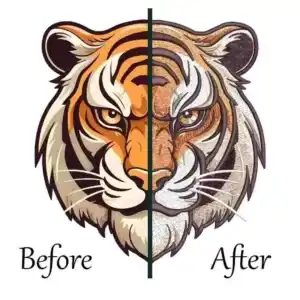
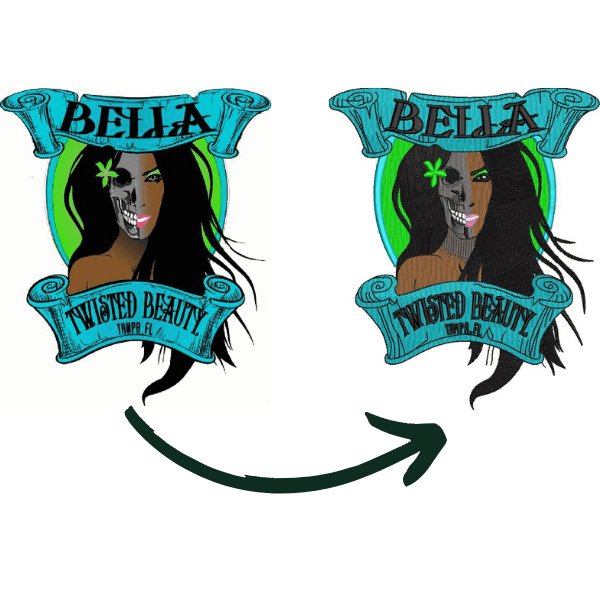
To convert photo to embroidery file, everything starts with the design. Embroidery machines cannot read normal image formats like JPG or PNG directly. The design must first go through a process called digitizing, which turns the image into stitch instructions.
This tells the machine where each stitch goes, the type of stitch to use, and the sequence of colors.
Common file formats include PES, DST, and EXP. Because proper digitizing is the foundation of quality, understanding this step is essential when learning how do embroidery machines work in a professional environment.
Step 2: Loading the Design into the Machine
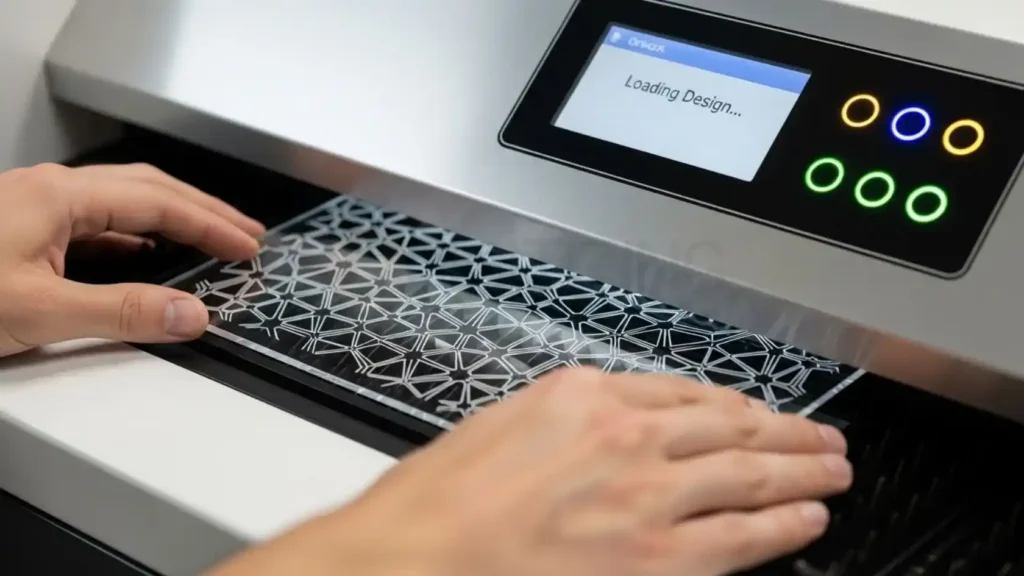
Once the file is digitized, it must be transferred to the machine. You can typically accomplish this through a USB drive, a WiFi connection, or a direct link to your computer.
The machine reads the file like a set of digital instructions. This is where software meets hardware, which is a key part of how these systems function in modern setups. Learning how to use embroidery machine usually begins with mastering this file-transfer process.
Step 3: Hooping the Fabric Correctly
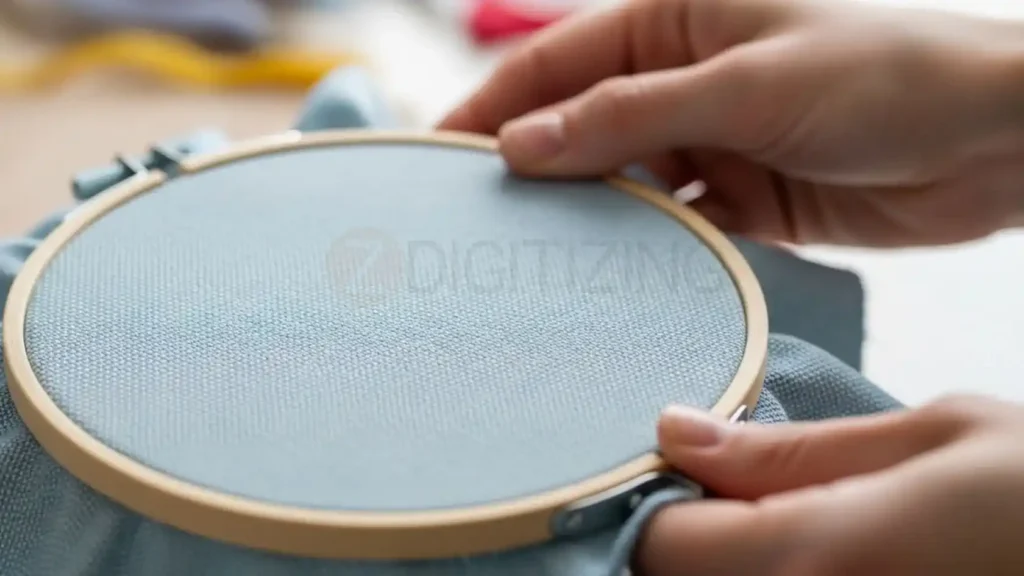
Fabric must be tightly secured in a hoop to prevent movement during the stitching process. Proper hooping ensures clean, crisp stitches, eliminates fabric wrinkles, and guarantees accurate design placement. You must also apply stabilizers beneath the fabric to provide structural support.
Without correct hooping, even the most expensive equipment will not perform well, which shows how vital preparation is when you are learning how to work an embroidery machine.
Step 4: Needle Movement and Stitch Formation

To understand why does my embroidery machine keep stopping, it helps to know how embroidery machines work. The machine uses a needle to push the thread through the fabric, while a bobbin underneath locks the stitches into place.
The machine’s motor controls the hoop’s movement in X and Y directions while the needle moves up and down at high speeds. This highly coordinated motion is the core mechanical principle behind how embroidery systems function.
Step 5: Automatic Stitching and Thread Changes
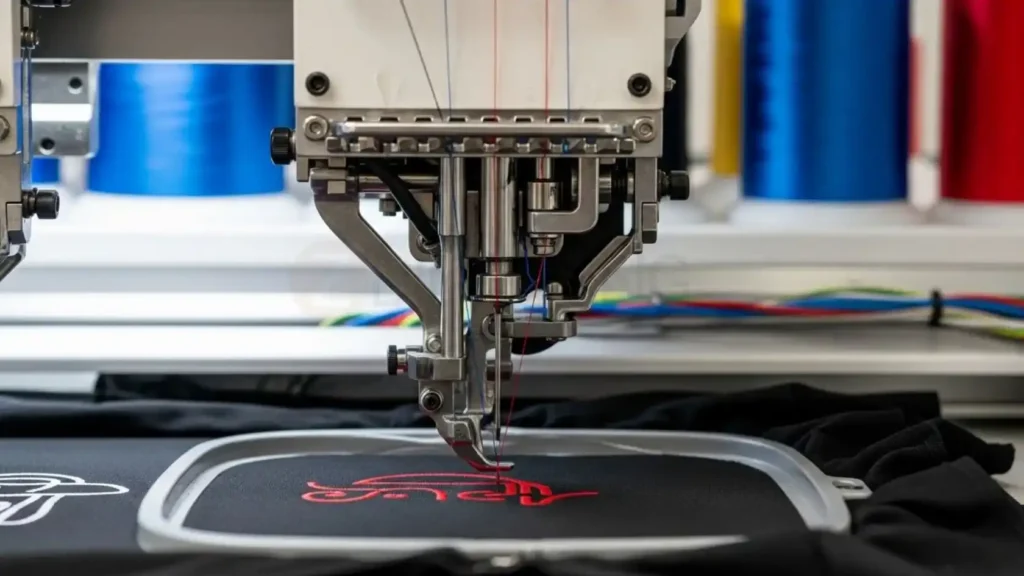
Once the start button is pressed, the machine follows the design file automatically. In advanced multi-needle machines, the threads change automatically, allowing colors to switch without the operator needing to stop the machine.
In single-needle units, the operator must manually change threads at each designated stop. This level of automation is what makes modern embroidery so fast and precise, and it is a major reason why many people are eager to learn how do embroidery machines work today.
What Happens Inside the Machine (Core Mechanism Explained)
To clearly understand manual embroidery vs machine embroidery, it’s important to look inside the machine and see what actually happens during stitching. Many beginners only see the outside movement, but the real process happens inside through different parts working together.
When the machine runs, multiple components move at the same time in a very controlled way. This coordination is the main reason how do embroidery machines work so smoothly and produce clean, professional designs.
Main Components Inside an Embroidery Machine
Each part inside the machine has a specific job. If one part does not work properly, the whole design can be affected.

- Needle system: The needle moves up and down very fast. It pushes the thread through the fabric to create stitches.
- Bobbin system: Located under the fabric, it holds the bottom thread and locks each stitch with the top thread.
- Presser foot: It holds the fabric in place while stitching happens.
- Hoop driver (X-Y system): This moves the fabric in all directions (left, right, forward, backward).
- Motor: The motor controls speed and movement of all parts. Faster motors mean faster stitching.
- Control board (computer system): This is the brain of the machine. It reads the design file and sends commands to all parts.
All these components work together in perfect timing. This coordination explains the real mechanics behind how do embroidery machines work in modern machines.
How Do these Components Work Together Step-by-Step?
When you press the start button, the machine begins following instructions from the design file.
Here is what happens internally:
- The control board reads the first stitch command
- The motor activates the needle
- The hoop moves slightly in one direction
- The needle goes down, pulling the thread through the fabric
- The bobbin locks the stitch from below
This process repeats thousands of times in just minutes. Every small movement is planned in advance, which is why designs come out so accurately. This detailed coordination helps you fully understand how do embroidery machines work beyond just basic usage.
Why Coordination Between Parts Is Important?
If even one part is slightly off, problems can happen, such as:
- Uneven stitches
- Thread breaks
- Misaligned designs
That’s why machine quality and maintenance are very important. Smooth coordination between components is a key factor in how do embroidery machines work efficiently and reliably.
Types of Embroidery Machines and Top Recommendations
Selecting the right equipment starts with understanding that not all machines are built for the same purpose.
Whether you are a hobbyist or looking to scale a production business, identifying the right category is essential to knowing how do embroidery machines work for your specific workflow.
Single Needle vs Multi Needle Machines

To better understand how do embroidery machines work, it’s important to look at the difference between single-needle and multi-needle systems. This is one of the biggest technical differences in the industry.
The comparison between these machines shows how do embroidery machines work based on speed and design complexity, single-needle machines require manual thread changes, while multi-needle machines handle multiple colors automatically, making them faster and more efficient for complex designs.
- Single-Needle Machines: These are designed for home use. They function by stopping at every color change, prompting the user to re-thread the machine.
- Top Recommendation: Brother PE800 – Widely considered a best embroidery machine for beginners due to its intuitive interface and large color touchscreen.
- Multi-Needle Machines: These feature a bridge that holds multiple thread spools. The machine automatically switches between them, making them essential for commercial work.
- Top Recommendation: Ricoma MT-1501 – A powerful, heavy-duty commercial unit that offers speed and consistent tension for high-volume orders.
Home vs Commercial Embroidery Machine

The discussion around embroidery machine vs sewing machine often comes down to purpose, usage, and build quality. Home machines are built for intermittent use, while commercial models are designed to run 8–10 hours a day.
- Home-Based Embroidery: Focused on portability and ease of use. These machines often include sewing capabilities as well.
- Top Recommendation: Janome Memory Craft 500E – A dedicated embroidery-only machine that offers a large hoop size and excellent stitch quality, making it a favorite for those who already own a standard sewing machine.
- Commercial Embroidery: These are stationary, heavy-duty units that handle thicker materials like leather and heavy canvas without skipping stitches.
- Top Recommendation: Tajima SAI – Often called the “entry-level commercial” machine, it provides the legendary Tajima stitch precision in a smaller, more accessible frame for professional studios.
Portable vs. Industrial-Grade Systems

While home machines rely on a small footprint, industrial machines focus on stability. Understanding why does my embroidery machine keep jamming requires knowing how embroidery machines work in an industrial setting, where heavy cast-iron frames help prevent vibration during high-speed stitching.
- Portable/Entry-Level Industrial: Top Recommendation: Melco EMT16X – Known for its modular design. You can network these machines together, allowing you to scale your business by adding more heads as demand grows.
- Heavy-Duty Industrial: Top Recommendation: SWF MAS-12 – A compact professional machine that bridges the gap between home accessibility and industrial-grade torque.
Common Embroidery Machine Challenges and How to Fix Them
Even with the best machine, you will eventually face some issues. To better understand how do embroidery machines work, it’s important to know why these problems happen. Thread breaks are usually caused by a dull needle or incorrect threading. Puckering often happens with the wrong stabilizer or improper tension settings.
Every problem is a chance to learn. When you fix these issues, you start to understand the machine better. If you want to learn how to work an embroidery machine, focus on common fixes and practice regularly. This will help you get smoother and more professional results over time.
Troubleshooting Tips for Beginners
- Check your needle: A dull needle is the enemy of quality. Change it every 8-10 hours of use.
- Review your file: Sometimes, the issue is not the machine, but a poorly digitized file with too many stitches in one area.
- Watch the path: Ensure your thread path is clean and free of lint buildup, which can cause tension fluctuations.
By addressing these small details, you can ensure that you are getting the most out of your investment and producing work that stands up to professional standards.
How Much Does an Embroidery Machine Cost?
When you first start to research how do embroidery machines work, the variety of price points can be overwhelming. Pricing generally scales with speed, the number of needles, and the size of the embroidery field.
Whether you are looking for an entry-level hobby unit or a powerhouse for your shop, knowing the current market is vital to finding the best embroidery machine for your specific needs.
Beginner Machines: Price Range ($300 – $1,500)
These machines are designed for hobbyists who want to learn the ropes. They are typically single-needle models that focus on ease of use.
While they have smaller embroidery areas (usually 4×4 to 5×7 inches), they are excellent for those who want to learn how do embroidery machines work in a home setting without making a major financial commitment.
- Popular Models: Brother PE535, Brother PE800, Janome Memory Craft 200E.
- Best For: Personal gifts, small creative projects, and learning the basics of design placement.
Mid-Level Machines: Price Range ($1,500 – $6,000)

To better understand how do embroidery machines work, mid-level machines show a clear improvement in speed, size, and performance. These machines are ideal for serious hobby users or those starting a small business. They come with larger embroidery areas and faster speeds, usually between 850 to 1,000 stitches per minute (SPM).
This tier is often where users choose between a single-needle setup or an early-stage single needle vs multi needle machine configuration.
- Popular Models: Brother SE1900, Brother Luminaire 1, Janome Horizon Memory Craft 9450.
- Best For: Frequent hobby use, personalized custom gifts, and small-batch production for Etsy shops.
Commercial Machines: Price Range ($6,000 – $25,000+)
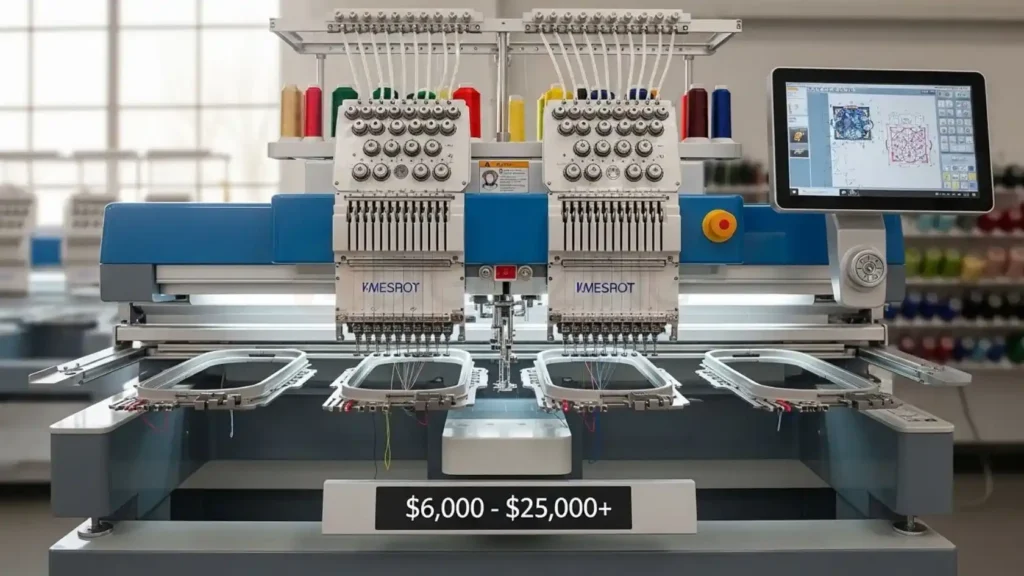
To fully understand how do embroidery machines work, commercial machines show the highest level of performance and efficiency. These machines are built for daily production and come with high speeds and multi-needle systems that handle complex.
If you compare home vs commercial machines, this level clearly shows how do embroidery machines work at scale, with stronger motors, continuous operation, and minimal downtime. They can automatically change thread colors, saving a lot of time for full-time businesses.
- Popular Models: Brother PR680W, Brother PR1050X, Tajima TMBP-SC.
- Best For: Professional uniform shops, high-volume apparel branding, and promotional products.
Factors That Drive Price
Several technical factors impact the final price tag:
- Needle Count: Moving from a single needle to a multi-needle system typically increases the price by several thousand dollars.
- Speed (SPM): Commercial units can stitch up to 1,500 SPM, whereas home units rarely exceed 1,000 SPM.
- Built-in Tech: Modern features like laser positioning and wireless connectivity add value but also increase the upfront cost.
Conclusion: Perfecting Your Embroidery Journey
Learning how do embroidery machines work is the best way to start creating high-quality custom clothes. Whether you use a small home machine or a large professional one, the quality of your finished project depends on three things: your own knowledge, using the right stabilizer, and having a great digital design file.
When your design file is perfect, your embroidery will look professional every single time. This is why finding a great partner for your design files is just as important as picking the right machine.
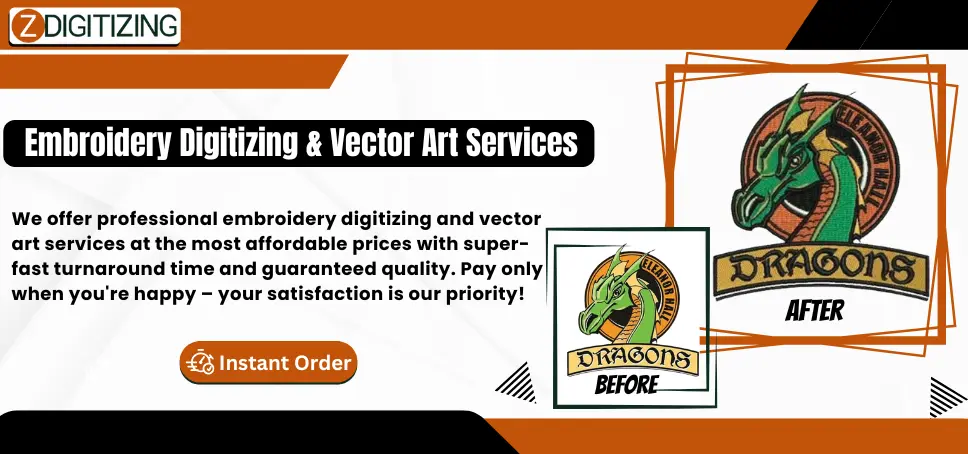
Professional help can make a huge difference in your success. Even if you are an expert at using your machine, a poorly designed file can ruin your fabric and waste your time. Professional digitizers place every single stitch in the right spot, which stops thread breaks and makes your designs look clean and sharp. If you need affordable embroidery digitizing services in italy, ZDigitizing is here to help you get the best results.
Our team has over 10 years of experience helping people make their work easier and more profitable. We have experts working 24/7 to finish your projects quickly, and our friendly support team is always available if you have questions.
We stand behind our work, and we will even show you a preview of your design before you pay for it. If you need any small changes to your design, we do those for free. Plus, our prices are lower than most other services, which helps you keep more profit for your business.
Experience our premium quality today. Visit ZDigitizing to place your first order and get a 50% discount. Let us handle the technical design work so you can focus on growing your business and being creative.